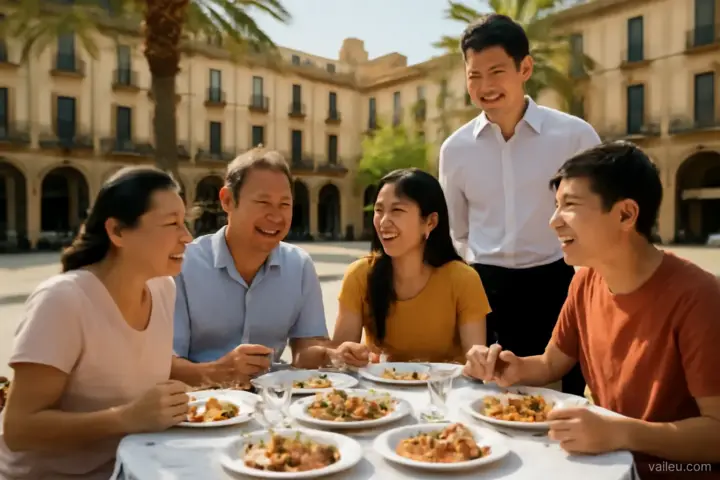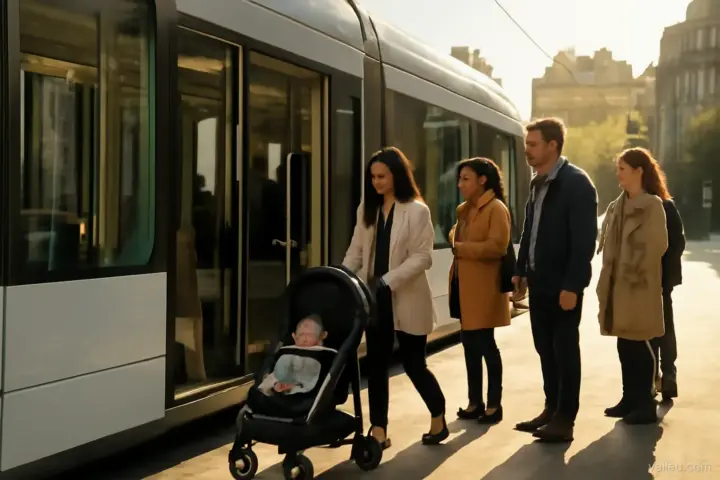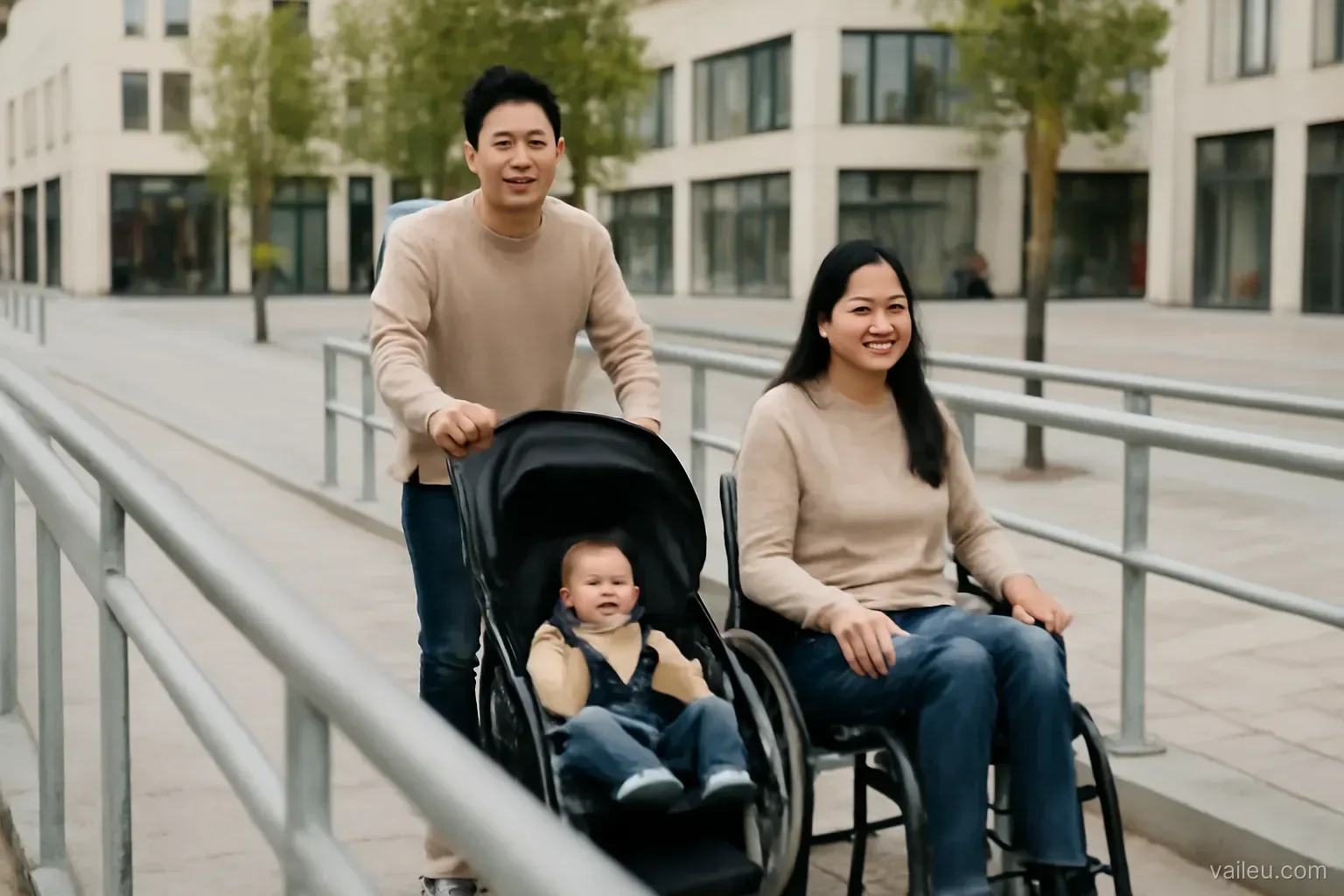
European society today is highly diverse in gender, age, physical ability, religion, ethnic origin and way of life. Many countries have laws against discrimination in employment, housing and services, and the European Union treats equality as a founding value. In daily life this appears in concrete ways: fathers pushing prams on weekdays, women as managers, buses with ramps for wheelchairs, colleagues taking leave for their own religious holidays, and respect for individual choices. Understanding this helps Vietnamese people live, study and work in Europe with more ease and sensitivity.
Diversity is not new
Europe has never been uniform. It has dozens of languages and several religions and has experienced many waves of migration. After the Second World War, many countries welcomed workers from Southern Europe, North Africa, Turkey and elsewhere, including Vietnam. Today, in many large cities, a significant share of residents have migrant backgrounds.
Europe has also gone through dark periods of discrimination and exclusion. Those lessons pushed countries to build laws and a culture that respect difference.
Gender equality at home
In many Nordic and western European countries, both partners working, sharing housework and picking up children is normal. Many countries offer parental leave to both parents, and some reserve a portion for fathers to encourage their involvement. Fathers pushing prams in the park on weekdays — jokingly called “latte dads” in Sweden — have become a familiar sight.
For Vietnamese families, where housework often still falls more heavily on women, this can be food for thought. Many Vietnamese families in Europe have gradually shifted towards sharing more.
Gender equality at work
Women in leadership in business, politics and science are increasingly common in Europe, although gaps in pay and top positions remain and countries are working to close them. At work, a few things are worth noting:
- Do not comment on colleagues’ appearance, even as a compliment.
- Do not assume the woman in the room is the secretary or the one making coffee.
- Do not ask women about plans to have children in interviews or at work; in many countries this is prohibited in hiring.
- Gender-based jokes are considered unprofessional and may be dealt with formally.
- Respect how each person wishes to be addressed.
Cities for everyone
Many Vietnamese visitors notice that European cities are designed so people with disabilities can get around independently: low-floor buses with wheelchair ramps, dedicated spaces on trams, tactile paving for blind pedestrians, audible traffic signals, lifts at stations and accessible toilets. Many countries have accessibility requirements for new public buildings.
These designs help not only people with disabilities but also older people, parents with prams and travellers with suitcases. The idea is that a good city is one where everyone can live independently.
Interacting with people with disabilities
- Ask before helping: “Would you like some help?” and then follow their lead.
- Speak directly to the person, not through their companion.
- Do not touch wheelchairs, canes or guide dogs without permission.
- Do not occupy reserved spaces on transport or in car parks.
- Avoid pitying language; many disabled people live independently and do not want to be seen as victims.
Religious diversity
Europe has a long Christian tradition, but today many people are Muslim, Jewish, Buddhist, Hindu or of no religion. In many countries the state is religiously neutral. At work and school, colleagues may take leave for their religious holidays, follow dietary rules or need space to pray. Respecting this without probing or commenting is good manners.
Vietnamese people bring their own beliefs too: ancestor veneration, pagoda visits and Lunar New Year. Many cities with Vietnamese communities have pagodas and Tết celebrations, which locals often find fascinating.
Origins and “where are you from?”
Many Europeans have parents or grandparents who migrated but were themselves born and raised locally and speak the local language natively. Asking “where are you from?”, then, when they name a European city, pressing “no, where are you really from?” can make them feel like outsiders in their own home. The same is true for second- and third-generation Vietnamese Europeans.
Many forms of family and life
In Europe you will meet many family forms: unmarried couples living together, single parents, adoptive families, blended families, people who choose to live alone, and same-sex couples in countries whose laws recognise them. Whatever your personal views, European etiquette is not to judge or pry, and to treat everyone with equal respect.
If you face discrimination
Most Vietnamese in Europe are treated with respect, but discrimination can happen: when renting, applying for jobs or through rude remarks in the street. Many countries have equality bodies or organisations supporting victims of discrimination; universities and large employers often have support services. Record what happened, learn your rights and turn to the Vietnamese community or support organisations when needed.
Age and older people
Respect for older people is shared by Vietnamese and European cultures, but it looks different. Many older Europeans value independence highly and may decline help carrying bags or offers of a seat, not out of pride but because staying active matters to them. Offer politely and accept a refusal gracefully. Intergenerational projects, such as students living with older residents, are a growing trend in several countries.
Respectful language
Language changes over time, and many words once common are now considered offensive. In Europe, people take care to use neutral terms when talking about gender, disability and origin. There is no need to fear getting it wrong; if unsure, ask how someone wishes to be described, and be ready to adjust when corrected.
Diversity in the classroom
European universities and schools bring together students from dozens of countries. Group work with classmates from different backgrounds can be challenging — different habits of speaking up, deadlines and humour — but it is also excellent preparation for international careers. Vietnamese students often find that sharing their own culture, food and perspective is warmly received and makes friendships easier.
What to remember
Respecting diversity in Europe is not a slogan but small daily habits: asking before helping, not judging others’ choices, sharing housework, leaving reserved seats free. Vietnamese people, with a tradition of mutual help and hospitality, can integrate well and add warmth to that diverse society.
Frequently asked questions
How does gender equality show in everyday European life?
Couples sharing housework, parental leave for both parents in many countries, women in leadership, and laws against workplace discrimination.
Why do European cities have so many ramps and lifts?
Many countries have accessibility rules so people with disabilities, older people and parents with prams can move independently.
Should I help a person with a disability without asking?
Ask first — “Would you like some help?” — and help the way they prefer. Unrequested help can be unwelcome.
Is it OK to ask people “where are you from?”
It depends. Many Europeans with migrant backgrounds were born and raised there; pressing about their origins can make them feel like outsiders.
Do Vietnamese people face discrimination in Europe?
Most are treated with respect, but discrimination can happen. Many countries have bodies and organisations that help if it does.