Every Vietnamese student in Europe eventually craves a steaming bowl of phở on a winter evening, a plate of broken rice with grilled pork or simply a vegetable soup with a splash of fish sauce. The good news is that in most large cities you can find Vietnamese ingredients in Asian grocery shops, and when something is missing, many items can be replaced with local produce while keeping the soul of the dish. Two things to keep in mind are EU rules on bringing food from outside the EU and courtesy in shared kitchens. This guide gathers practical experience from generations of students.
Where to find Vietnamese ingredients
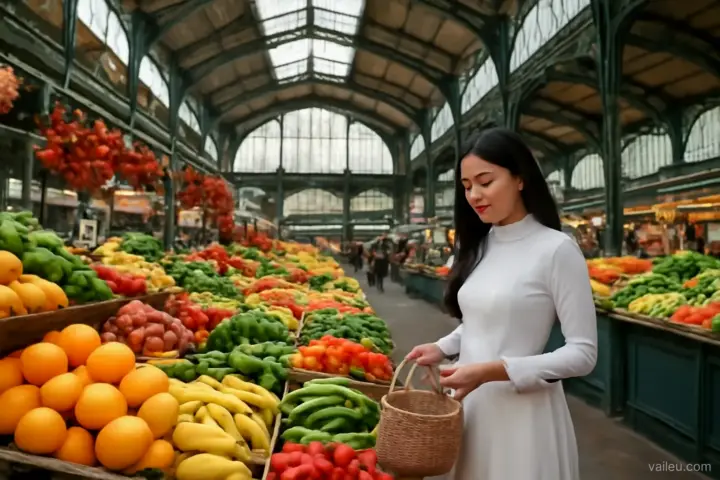
In large European cities, Vietnamese and other Asian communities have built rich networks of grocery shops. Some cities even have large trade centres run by the Vietnamese community, selling everything from rice, fish sauce, rice noodles and fresh herbs to kitchen equipment.
Many big supermarkets also have Asian sections with fish sauce, soy sauce, dried rice noodles, fragrant rice, noodles, lemongrass and ginger. In smaller cities choice is more limited, but you can order online from shops in larger cities.
- Ask the local Vietnamese student community about reliable shops.
- Visit Vietnamese community trade centres if your city has one.
- Check the Asian section of large supermarkets.
- Order hard-to-find items online, sharing orders with friends to save on delivery.
- Visit Asian grocers on the days fresh herbs and vegetables arrive.
Smart substitutes with local ingredients
When you cannot find Vietnamese ingredients, be flexible. Many Vietnamese dishes cook well with European produce as long as you keep the spirit: a balance of sour, spicy, salty and sweet, and plenty of fresh herbs.
- Herbs: coriander, mint, European basil, dill and spring onions in place of Vietnamese coriander or sawtooth herb.
- Side greens: lettuce, bean sprouts and cucumber are available in most supermarkets.
- Citrus: European lemons replace Vietnamese limes; the taste differs slightly but works well.
- Chilli: fresh European chillies, dried chillies or chilli powder.
- Noodles: dried rice noodles from Asian sections, or thin Italian pasta for some stir-fries.
- Meat: pork shoulder, pork belly and chicken thighs are easy to find and suit braises and grills.
Some dishes evolve in fun ways: bánh mì made with a French baguette and local pâté, spring rolls filled with seasonal European vegetables, or caramelised fish made with salmon or mackerel. That creativity is the very spirit of Vietnamese cooking.
Bringing food from Vietnam: know the rules
Many families want to send cured pork, dried meat, sausages or milk to their children. Under EU rules, however, travellers from outside the EU are generally not allowed to bring meat, meat products, milk or dairy products into the EU, apart from very narrow exceptions. The rules aim to prevent animal diseases.
Fruit, vegetables, seeds and plants have their own phytosanitary rules. Industrially packed dry goods such as spices, noodles and sweets are usually simpler, but must still be declared if required. Check the EU’s official guidance and the customs authority of your destination before packing to avoid confiscation or fines at the airport.
Growing herbs on the windowsill
Many students grow herbs in small pots: Thai basil, perilla, Vietnamese coriander, spring onions and even chillies. Seeds are available at Asian grocers or garden shops. Plants thrive in summer; in winter, place them on a sunny windowsill or use a small grow light.
A pot of fresh herbs on the windowsill makes your phở more fragrant and brings a little piece of home into a small European room.
Cooking on a student budget
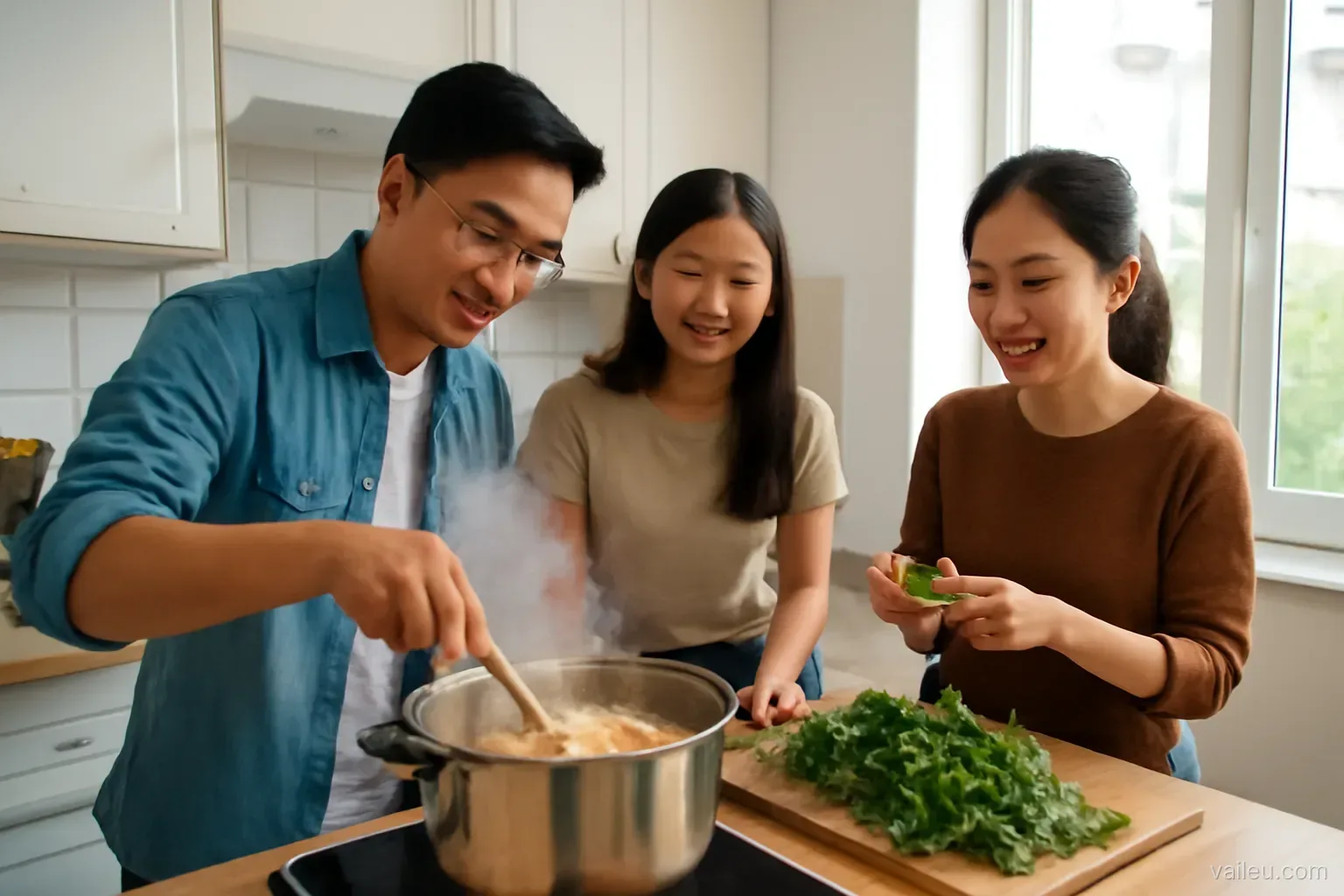
Cooking at home saves a lot compared with eating out. The secret is planning a weekly menu, cooking once for several meals and using leftovers.
- On Sunday, braise a pot of pork and eggs or fish and portion it for the week.
- Make a large pot of bone broth and freeze portions for phở, noodle soups and vegetable soups.
- Turn leftover rice into fried rice with eggs and vegetables.
- Buy rice, fish sauce and noodles in bulk and share with flatmates.
- Use cheap seasonal vegetables from the market.
Shared kitchens: respecting flatmates
Shared kitchens in halls and flats are meeting places for many cuisines. Some Vietnamese dishes have strong smells, such as fermented shrimp paste, dried fish, boiling fish sauce and deep-fried food. Aromas that feel comforting to us may be unfamiliar to others.
Open windows, use the extractor fan, keep lids on pots and clean the kitchen and take out rubbish right after cooking. For especially pungent dishes, ask flatmates first or cook when the kitchen is quiet. A little tact lets you keep your home flavours while living in harmony.
Sharing Vietnamese food with international friends
Vietnamese food is loved by many Europeans for being fresh, full of vegetables and well balanced. Inviting flatmates to try spring rolls, phở or fried spring rolls is a wonderful way to make friends and share culture. Many students say an evening rolling spring rolls together turned strangers into close friends.
At Lunar New Year and the Mid-Autumn Festival, Vietnamese student associations often organise communal cooking and invite international friends. That is when food truly becomes a cultural bridge.
Easy dishes for beginners
- Fresh spring rolls: rice paper, vermicelli, prawns or boiled pork, herbs and dipping sauce.
- Tomato and egg soup: quick, cheap and perfect with hot rice.
- Caramelised pork with eggs: cook once, eat several times.
- Stir-fried noodles with vegetables and meat: uses whatever greens you have.
- Chicken and ginger rice porridge: warming on cold days or when you feel unwell.
Keeping traditions alive far from home
Cooking also keeps family memories alive. Many students call home to ask a parent for the exact steps of a favourite dish, then adapt it to what their local shop sells. Writing these recipes down, with notes on substitutes that worked, creates a small personal cookbook that can be passed on to younger students who arrive later.
The taste of home under European skies
Cooking Vietnamese food in Europe is not just about filling your stomach but about keeping part of your identity. Every time the scent of lemongrass or fish sauce drifts through a small kitchen, you feel a little closer to home. And by creatively combining local ingredients, you continue a Vietnamese culinary tradition that has always welcomed and adapted new influences.
Frequently asked questions
Where can I buy Vietnamese ingredients in Europe?
Large cities usually have Asian grocery shops, and some have markets or trade centres run by the Vietnamese community. Many large supermarkets also have Asian sections with fish sauce, rice noodles and fragrant rice.
Can I bring meat products from Vietnam?
Under EU rules, travellers from outside the EU are generally not allowed to bring meat, meat products, milk or dairy products, apart from very narrow exceptions. Other foods have their own rules. Check official guidance before packing.
What can replace Vietnamese herbs?
Coriander, mint, basil, dill and spring onions from supermarkets work well. Many students grow Vietnamese coriander, perilla and Thai basil in pots on the windowsill.
Will cooking Vietnamese food bother my flatmates?
Some dishes, such as fermented shrimp paste, dried fish or deep-fried food, have strong smells. Open windows, use the extractor fan, clean up straight away and ask flatmates before cooking particularly pungent dishes.
Which Vietnamese dishes are cheap and easy for students?
Vegetable soups, caramelised pork with eggs, fried rice, stir-fried noodles, fresh spring rolls, rice porridge and tofu in tomato sauce. Cook a big pot to last several meals.