Europeans generally value privacy more than Vietnamese people are used to. When meeting someone new, they rarely ask how much you earn, how old you are, whether you are married or why you have no children. They keep some distance when talking, avoid touching strangers and do not photograph others without asking. Understanding this helps Vietnamese newcomers avoid questions that feel caring at home but awkward here, and explains why Europeans may seem cool at first while actually being very respectful.
Caring the Vietnamese way, heard the European way
In Vietnam, asking about family, work and income is a way to show interest and build closeness. “How much do you earn?”, “Do you have a partner?”, “Why are you so thin?” are ordinary questions. For many Europeans, though, these are private areas shared only with close friends, and hearing them from a new acquaintance can feel like being scrutinised.
Neither side is wrong. These are two ways of showing respect: Vietnamese respect through attention, Europeans through not intruding.
Topics to avoid with new acquaintances
- Income, house prices and savings.
- Age, especially in some contexts with women or older people.
- Marriage and children: “why aren’t you married?”, “when will you have kids?”.
- Appearance and weight: “you’ve put on weight”, even kindly meant.
- Religion and politics before you know each other well.
- Health and illness unless they mention it.
So what can you talk about?
Safe, easy openers include the weather, especially in Britain and the Nordic countries; work or studies in general terms; travel, food, sport, films, books and hobbies; the city you live in; and Vietnamese culture, since many Europeans are curious about Vietnam. Ask for their opinions rather than about their private lives: “What do you think of this city?” rather than “Do you live alone?”.
Distance in conversation
Every culture has its own personal bubble. In the Nordic countries, Germany and Britain, people often stand about an arm’s length apart and do not touch the shoulder or arm of someone they have just met. In Southern Europe, such as Italy and Spain, distances are shorter and gestures livelier.
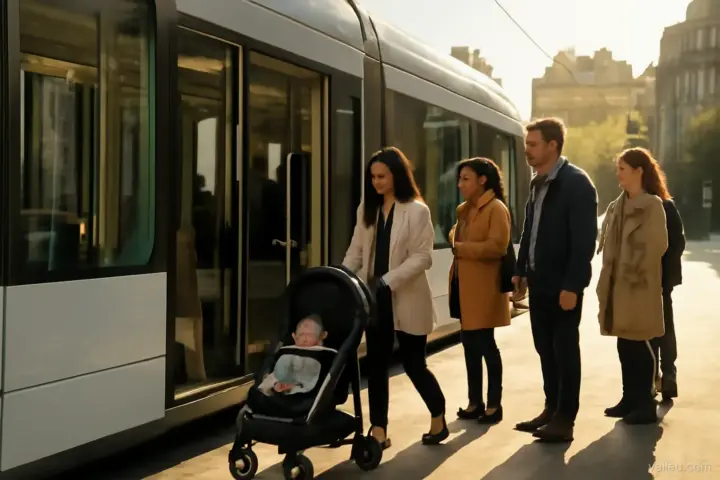
A frequently cited example: in Finland, people queue for the bus well apart and sit in the emptiest part of the bus if they can. That is not coldness but respect for each other’s space. Watching locals and keeping a similar distance is a safe approach.
Greetings: handshake, kiss or nod
- Handshake: common at work in most countries; firm but not crushing, with eye contact.
- Cheek kisses: common among acquaintances in France, Italy, Spain and Belgium; the number varies by region.
- Hugs: usually only with close friends.
- A nod and smile: enough in many Nordic situations.
If unsure, let locals take the lead and follow. Nobody blames a foreigner for hesitating.
Home as private space
Many Europeans see home as very private. They meet friends in cafés, restaurants and parks; an invitation home is a sign of closeness. Dropping in unannounced, even on neighbours, can embarrass hosts. When invited, arrive on time, bring a small gift such as flowers, pastries or a bottle of wine if appropriate, and ask whether to take off your shoes.
Neighbours: polite but not intimate
Neighbourly relations in many European cities are polite but less intimate than in Vietnam. Greeting each other on the stairs, accepting parcels for one another and reminding each other of rubbish days are normal; sharing meals is rare. Keep noise down, especially in the evening and on Sundays in some countries, follow building rules and warn neighbours before a party. That is how good relations are built.
Photography and image rights
In many European countries, a person’s image is considered to belong to them. Taking close-up photos of strangers, especially children, without asking is seen as rude, and in some cases posting them online may break the law. When you want to photograph locals, ask first; most will happily agree or politely decline.
Privacy protected by law
In Europe, privacy is not just good manners but a legal right. The EU’s General Data Protection Regulation gives people the right to know who holds their data and to request correction or deletion in certain cases. Companies need consent to use personal data for many purposes. Many Europeans are careful about sharing phone numbers, addresses and personal details, even with acquaintances.
When Europeans seem cold
Many Vietnamese arriving in Europe find locals hard to approach, slow to smile at strangers and not inquisitive. After a while, many realise that friendships here form more slowly but last longer. Once a European considers you a friend, they are often very sincere and reliable. The initial privacy is space for each side to choose how close to become.
Online privacy among friends
The same respect for privacy extends to social media. Many Europeans ask before tagging friends in photos or posting pictures of other people’s children, and some prefer not to appear online at all. Adding a colleague on a personal social network may feel too familiar early on; professional networks are the usual first step. When in doubt, ask, and respect a no without taking it personally.
Silence is not rudeness
Vietnamese social life values lively conversation, and silence can feel awkward. In several European cultures, especially in the north, comfortable silence is normal and even pleasant; people do not feel obliged to fill every pause. If a Finnish or Swedish colleague says little during a coffee break, it is rarely a sign of dislike.
Tips for Vietnamese newcomers
- Ask about interests and opinions rather than private matters.
- Let others share family or work details in their own time.
- Keep a comfortable distance when talking.
- Ask before photographing people.
- Arrange visits to people’s homes in advance.
- Be patient: friendship takes time.
What to remember
Privacy in Europe is not distance but a form of respect. Understanding this, Vietnamese newcomers can keep their warmth while adjusting how they express it: caring through listening, closeness through patience. That is how lasting relationships are built anywhere.
Frequently asked questions
Is it rude to ask Europeans about their salary?
With new acquaintances, questions about salary, house prices or savings are usually seen as intrusive. Let them share if they wish.
Can I ask about age or family plans when we first meet?
Usually not. Questions like “why aren’t you married?” or “when will you have children?” can make people uncomfortable. Wait until you are close and they bring it up.
How should I greet Europeans?
It depends on the country: handshakes are common at work; cheek kisses among acquaintances in France, Italy and Spain; in the Nordic countries a handshake or nod is typical. Watch locals and let them lead.
Can I photograph strangers on the street?
Ask first, especially for close-ups or children. In some countries image rights are well protected by law.
Why do European neighbours rarely visit?
Many people see home as private space and invite guests by arrangement. Polite greetings and keeping noise down build good relations.