If you want to understand the food and daily life of a European city, go to the market. You see what people buy and eat in each season, how they chat with familiar vendors and the rhythm of the neighbourhood. Europe has many kinds of markets: iron-and-glass market halls built a century or more ago, weekend farmers’ markets where growers sell directly, weekly fairs in town squares, flea markets and Christmas markets. Each has its own pace, and a few simple courtesies help you shop with confidence like a local.
Market halls: where architecture meets food
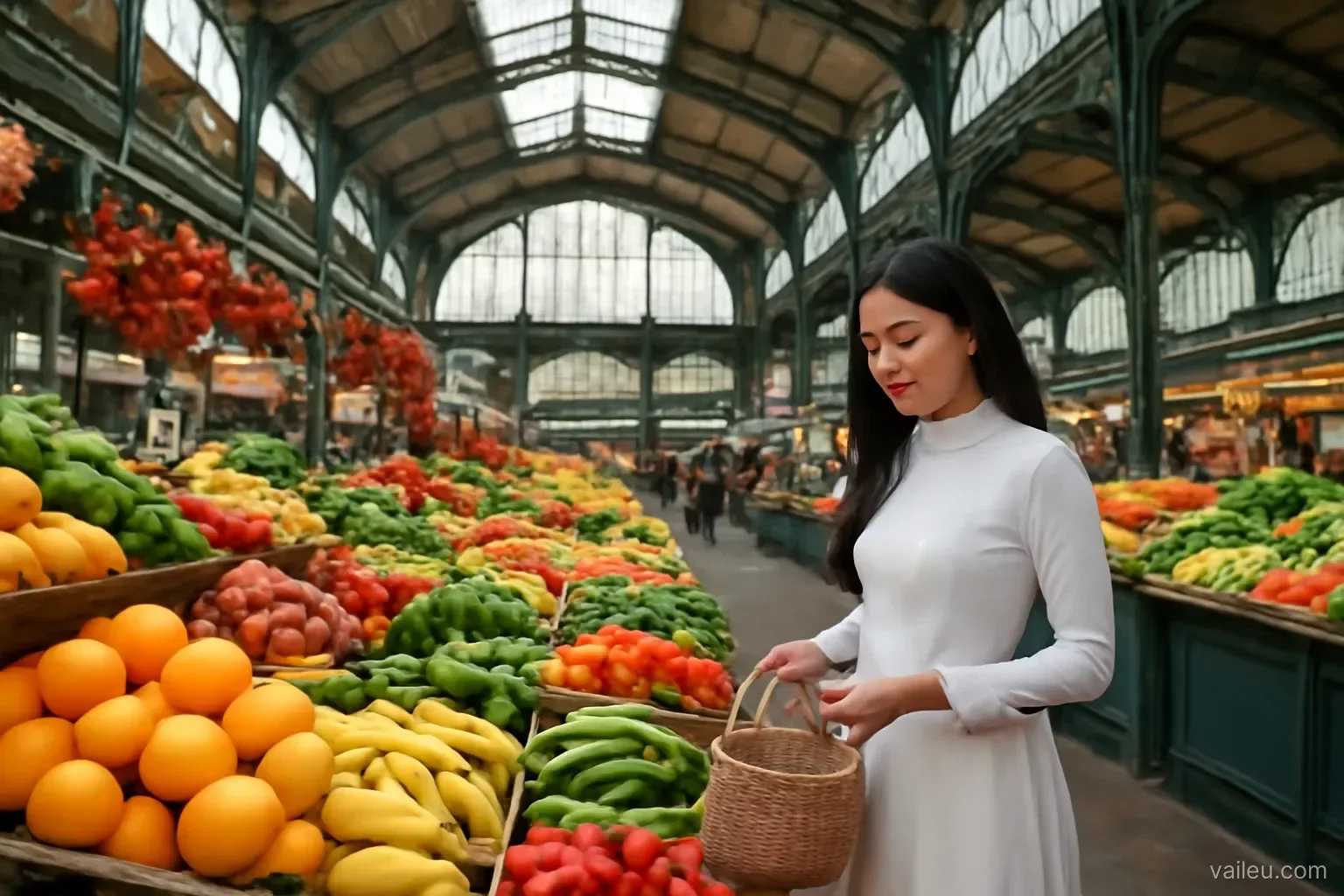
Many European cities have large covered markets built in the nineteenth or early twentieth century, with iron frames, glass roofs and arched entrances. In Barcelona, Valencia, Madrid, Budapest, Lisbon and elsewhere, these halls serve both as everyday shopping places for residents and as architectural landmarks.
Inside, stalls are arranged by section: fruit and vegetables, meat, fish, cheese, spices and bread. Many halls have small counters serving local dishes cooked with ingredients from the market. Lunch at such a counter is an authentic and often affordable food experience.
- Arrive early to see the market at its liveliest and avoid tourist crowds.
- Try the small food counters inside for local dishes.
- Notice which stalls locals queue at.
- Check opening hours, as many markets close in the afternoon or on Sundays.
Farmers’ markets: buying from the people who grow it
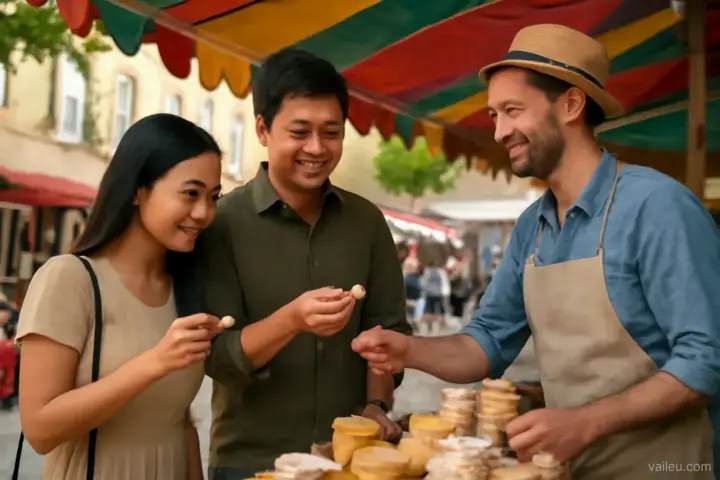
At farmers’ markets, growers, cheesemakers, beekeepers and bakers sell their own produce directly, usually at weekends or on fixed weekdays. Goods are seasonal, fresh and sometimes local varieties rarely found in supermarkets.
A farmers’ market is a chance to talk to producers: ask how something is grown or made and what dish to cook with it. Vendors are usually delighted to be asked. For language learners, it is a wonderful classroom full of practical vocabulary.
Weekly markets in small towns
In small towns, the weekly market takes place on a fixed day, often in the main square. On market day the town comes alive: stalls of vegetables and fish, vans selling roast chicken, stands of clothing and household goods. People come not only to shop but to meet friends, exchange news and have a coffee.
When travelling, check the market days of the towns you visit. A morning at a weekly market gives a deeper sense of local life than a day spent at famous sights.
Market etiquette
Customs vary, but a few general habits will endear you to vendors. The biggest difference from markets in many other parts of the world concerns choosing produce: at many European stalls the vendor picks items for you, and customers squeezing fruit may be considered rude.
- Greet the vendor when you arrive and say thank you and goodbye when you leave.
- Ask before touching goods, or let the vendor choose for you.
- State quantities clearly, by weight or by number; pointing helps.
- Wait your turn; some stalls use ticket machines.
- Bring your own bag, as many places limit plastic bags.
- Carry small change, especially at small markets.
Bargaining: when and when not
At European food markets, prices are usually displayed and bargaining is uncommon. Haggling over vegetables or fish may irritate vendors. Near closing time, however, sellers sometimes lower prices or add extra items to clear their stock.
At flea and antique markets, gentle negotiation is normal. Ask the price, suggest your offer politely and accept if the seller declines. A friendly attitude matters more than the discount.
Flea markets: treasure for students
Flea markets are paradise for students needing affordable household goods: plates, pots and pans, desk lamps, books, warm clothes and bicycles. Many cities hold weekend flea markets or neighbourhood sale days when residents sell items outside their homes.
Buying second-hand saves money and protects the environment by extending the life of objects, an attitude increasingly embraced by Europeans, especially younger people.
Christmas markets: end-of-year festivity
At the end of the year, many Central and Northern European cities set up Christmas markets in their squares, with wooden stalls decorated with lights selling crafts, ornaments, gingerbread, roasted chestnuts and hot drinks. Markets in German and Austrian cities and in the Alsace region of France are particularly famous.
For students far from home, visiting a Christmas market with friends is a lovely way to enjoy the festive atmosphere and ease homesickness during cold winter days. Dates vary by city, so check in advance.
Budget tips for students
- Plan a weekly menu and write a shopping list.
- Go near closing time for good prices on produce.
- Buy seasonal produce, which is both tastier and cheaper.
- Compare market and supermarket prices; each is cheaper for different items.
- Share bulk purchases with flatmates.
- Look for Asian grocery shops nearby for ingredients from home.
Markets and sustainability
Many European cities encourage residents to buy local food at markets to cut transport distances, support small farmers and reduce packaging. Some markets restrict single-use plastics and encourage shoppers to bring their own containers and bags.
People from cultures where daily market trips with baskets and cloth bags are the norm will find that habit fits perfectly with Europe’s green lifestyle trends. Bringing a cloth bag to the market is a simple way to save money and be kind to the environment.
Learning the language at the market
Markets are one of the best places to practise a new language in low-pressure situations. Learn the names of fruit and vegetables you buy often, numbers and weights, and a few polite phrases. Vendors are used to visitors and usually patient, and repeating the same small exchanges each week builds confidence quickly. Before long you may find yourself chatting about the weather or the best way to cook a seasonal vegetable.
Seeing a city through its market
The market is where a city shows its truest face. The calls of vendors, the smell of fresh bread, the colours of seasonal produce and the way sellers remember regular customers reveal a rhythm that guidebooks struggle to capture. Treat each market visit as a small exploration and you will gradually feel at home where you live.
Frequently asked questions
Can I pick my own produce at European markets?
It depends. At many stalls the vendor selects for you and does not like customers squeezing the produce. Watch what locals do or ask first. In supermarkets you can usually choose yourself, sometimes with plastic gloves.
Do people bargain at European markets?
At food markets prices are usually displayed and bargaining is rare. At flea and antique markets, polite negotiation is normal.
What should I bring to the market?
A cloth bag or basket, some small change in case a stall does not take cards and a container for delicate items.
When is the best time to go?
Early morning for the freshest goods and widest choice; near closing time for possible bargains as vendors try to sell out.
What makes Christmas markets special?
They are seasonal markets in many Central and Northern European cities at the end of the year, selling crafts, decorations and hot food and drinks in a festive atmosphere. Opening dates vary by city.