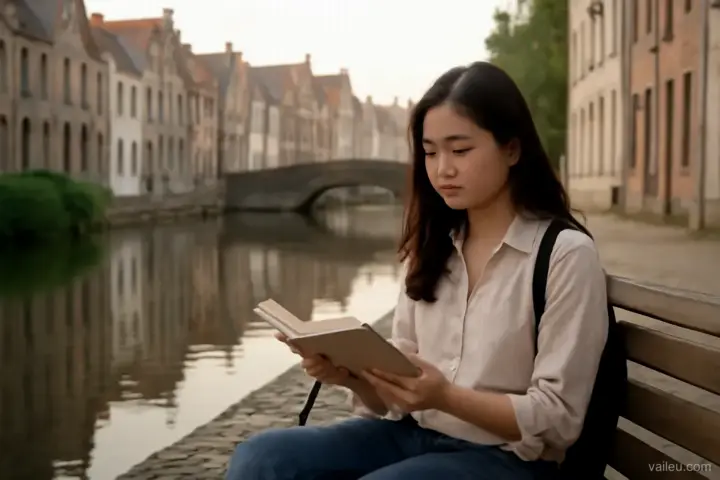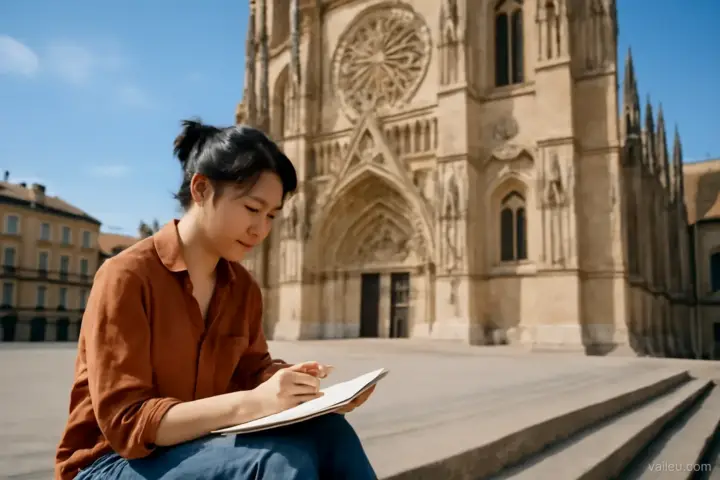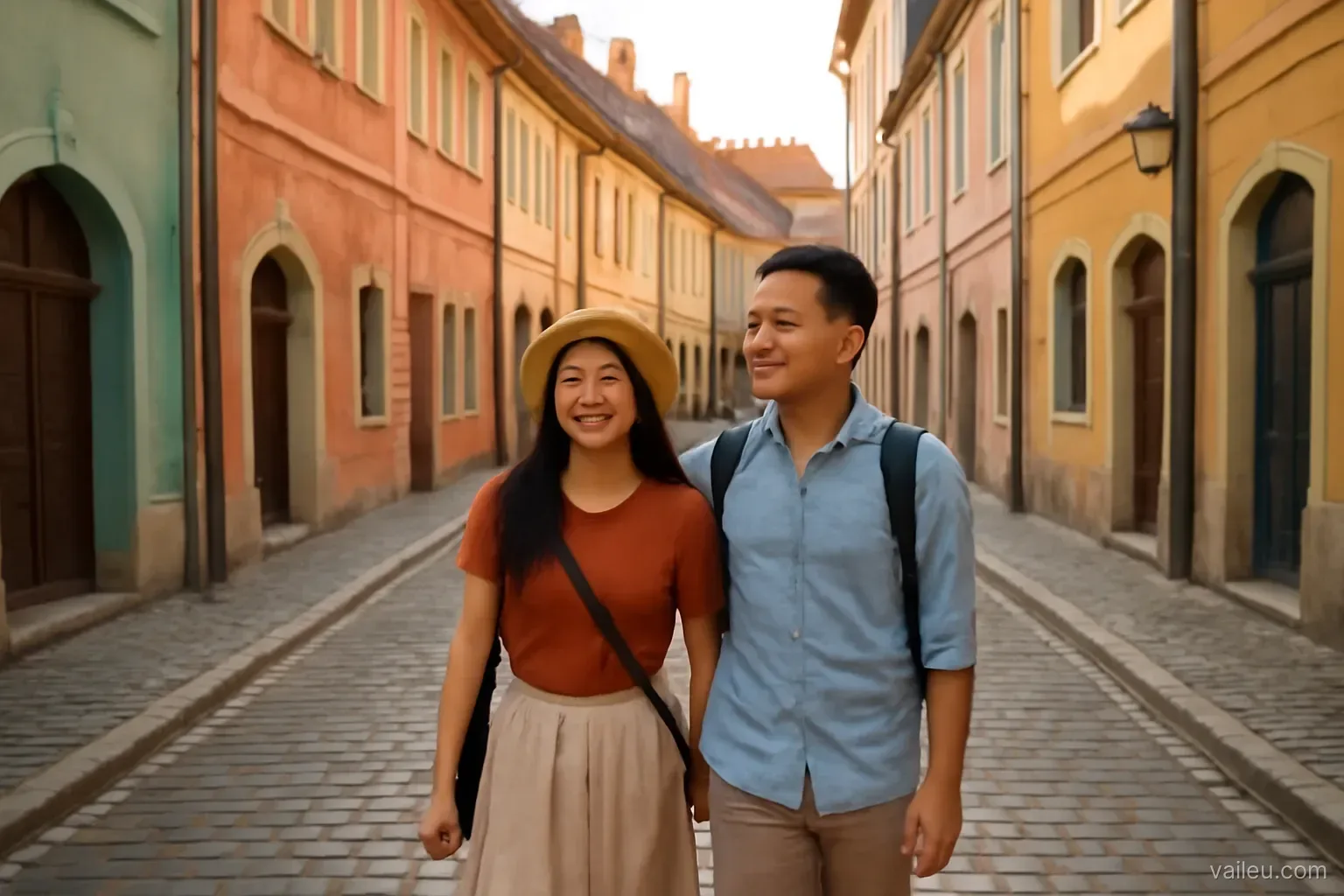
Many European old towns — Bruges, Tallinn, Kraków, Prague, Siena, Strasbourg — still look much as they did centuries ago. That is not luck. Behind it lie strict conservation laws, careful planning, skilled craftspeople and an important idea: heritage should be lived in, not just displayed. The most beautiful old town is one where people still live, bakeries still open and children still walk to school.
From demolition to preservation
Europe has not always cherished its old towns. In the nineteenth and early twentieth centuries, many cities tore down walls and old quarters to build boulevards and factories. After the Second World War, many historic centres lay in ruins, and in the rush to rebuild, many historic buildings were replaced by concrete blocks.
In response to these losses, conservation movements grew from the mid-twentieth century. International charters on restoration were adopted, and countries passed laws protecting monuments and historic areas. The focus shifted from individual buildings to entire urban landscapes.
Warsaw: rebuilt from the ashes
Perhaps the most moving story is Warsaw’s Old Town. During the Second World War the city was devastated and the Old Town almost flattened. Afterwards, Poles decided to rebuild it. They relied on measured drawings made by architecture students before the war, old photographs and even eighteenth-century paintings of city views. Many bricks, stones and decorative fragments were salvaged from the rubble and reused.
The rebuilt Old Town was later inscribed on the UNESCO World Heritage List as testimony to a nation’s determination to preserve its identity. It shows that heritage is not only stones but memory and dignity.
How conservation law works
- Listing: valuable buildings are listed at different levels, with the strictest rules at the highest level.
- Conservation areas: whole districts are protected, with controls on height, façades, roofs, materials and signs.
- Permission before alterations: replacing windows, repainting a façade or installing an outdoor air-conditioning unit often needs a permit.
- Heritage officers review applications and advise owners.
- Financial support: grants or tax incentives for owners who repair to proper standards.
Rules can frustrate owners, but they keep whole streets harmonious and raise the value of every house.
Restoration: keep it authentic, not new
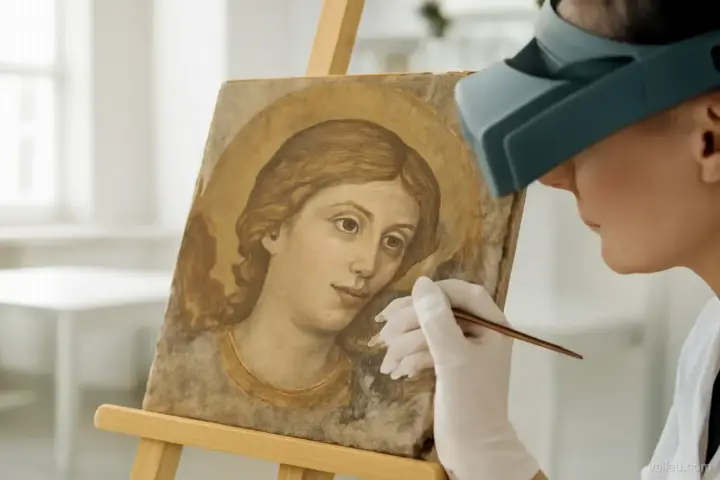
A key principle in modern European restoration is respect for authenticity. Rather than making everything look new, restorers keep as much original material as possible, replace only what is damaged, and make new parts distinguishable on close inspection so as not to deceive. Every intervention is documented.
This requires knowledge of historic materials: lime mortar instead of cement, matching timber, traditional roofing techniques. Using cement on old stone walls, for example, can trap moisture and damage the stone faster.
Craftspeople: the quiet guardians
Conservation needs hands that know the old ways: stonemasons, carpenters, roofers, stained-glass makers, blacksmiths and plasterers. In many European countries these trades are taught through apprenticeships, specialist schools and guilds. Some great cathedrals keep their own workshops staffed continuously across generations, because repairs never end.
Learning from mistakes
Europe’s conservation story includes errors worth learning from. Some post-war restorations used concrete and steel in ways that later damaged the original fabric and had to be undone at great cost. Some over-zealous projects scraped away centuries of layers to recreate an imagined original. Today’s cautious, well-documented approach grew out of those lessons, and specialists openly discuss past mistakes at conferences and in publications.
Balancing tourism and daily life
Beautiful old towns attract visitors, and visitors bring money. But too many visitors bring problems: crowding, rising rents, residents moving out and shops for locals replaced by souvenir stores. Some cities have acted by restricting short-term rentals, limiting tour group sizes, charging entry fees on peak days and encouraging off-season visits.
The goal is to keep the old town a place to live, not a theme park.
Old towns that are alive
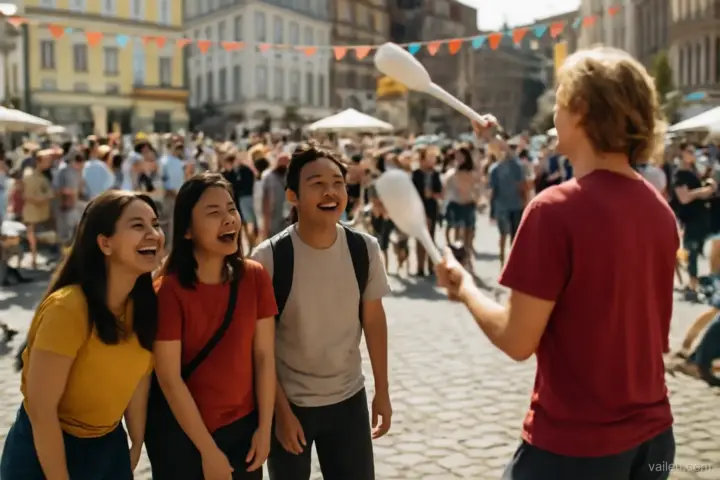
What makes European old towns lovable is not only architecture but life inside: bakeries opening at dawn, markets on the square, cafés where older people read newspapers, schools and churches still in use. Many cities have policies to keep housing affordable in historic centres, favour shops serving residents and limit cars so pedestrians and cyclists come first.
The cost of care
Living in a listed house is not always romantic. Owners face higher repair costs, slower approvals and limits on modern comforts such as large windows or rooftop solar panels. Debates about how to make old buildings energy-efficient without spoiling them are lively across Europe. Solutions such as discreet interior insulation, secondary glazing and heat pumps hidden in courtyards show that conservation and climate goals can be reconciled with patience and good design.
Connections with Vietnam
Hội An, Hanoi’s Old Quarter and the former capital Huế face similar questions: how to keep old houses when owners want to rebuild, how to balance tourism and daily life, how to train craftspeople. European experience cannot be copied directly, because climate, materials and land ownership differ. But some principles are worth considering: clear and public rules, financial support for owners, training in traditional crafts and putting residents at the centre of policy.
In fact, European and Vietnamese experts have collaborated on conservation projects, for example in Hội An and Huế, showing that this exchange runs both ways.
How visitors can help
- Travel off-season or early in the morning.
- Stay longer and explore quieter areas.
- Spend at locally owned cafés and shops.
- Respect rules, signs and restricted areas.
- Never carve names or climb on monuments.
- Keep noise down in residential streets at night.
- Consider donating to conservation funds where available.
Heritage beyond the famous
Not all European heritage is grand. Village churches, old farmhouses, industrial mills, workers’ housing and even twentieth-century buildings are increasingly protected because they tell ordinary people’s stories. Local volunteer groups often care for these places, opening them on weekends and raising money for repairs. This broad idea of heritage, where everyday history matters as much as palaces, is one of the most inspiring aspects of European conservation.
What to remember
Europe’s old towns survive not because time was kind but because generations chose to preserve them, even when it was costly and inconvenient. The great lesson is that heritage is not an antique in a glass case but a place where people continue to live, work and love. Keeping that alive keeps a city’s soul.
Frequently asked questions
Can owners of old houses in European old towns renovate freely?
Usually they must apply for permission and follow conservation rules on façades, materials, colours and windows. Strictness varies by country and listing level.
Is Warsaw’s Old Town original?
Most of it was destroyed in the Second World War and rebuilt afterwards using records, paintings and memory. UNESCO recognised this reconstruction as an exceptional case.
Why do some European old towns limit tourists?
To reduce overcrowding, protect buildings and preserve residents’ quality of life. Measures may include limits on tour group size, entry fees on peak days or restrictions on short-term rentals.
How can visitors help conservation?
Travel off-season, stay longer, spend at local businesses, respect rules and never litter or carve names into monuments.
What can Vietnam learn from European conservation?
Clear conservation laws, support for owners to repair correctly, training craftspeople and keeping residents living in historic quarters.