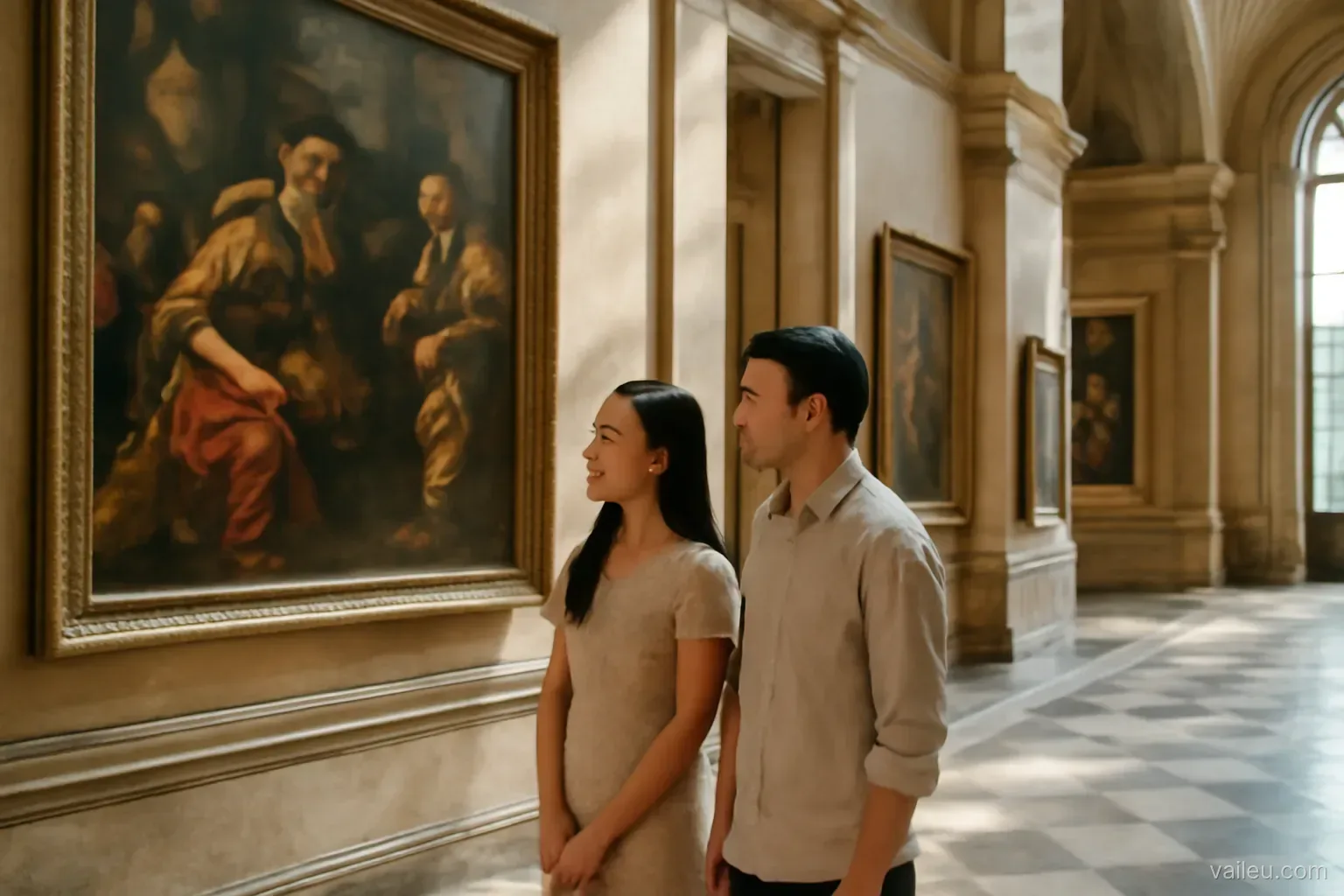
Europe’s great museums — the Louvre in Paris, the British Museum in London, the Prado in Madrid, the Uffizi in Florence, the Rijksmuseum in Amsterdam — hold works many of us first saw in school textbooks. Yet many Vietnamese visitors leave after half a day with aching feet and a blurry memory. The best approach is to choose less, look slowly, book ahead and read the stories behind a few works. A morning spent properly with ten paintings is usually more memorable than a day rushing past a thousand.
Why European museums are special
Many of Europe’s great museums grew out of royal, aristocratic or church collections that were opened to the public during the Enlightenment and after revolutions. The idea that art belongs to everyone, not just the powerful, is one of Europe’s most valuable legacies. Today many national museums are free or have free days and reduced prices for young people.
It should also be said plainly that some objects in these museums were taken during the colonial era, and the question of returning them to their countries of origin is debated openly. Many museums now label provenance clearly and work with the countries concerned.
Before you go: three preparations
- Book on the official website, choosing an early slot or an evening opening if available. Avoid street sellers.
- Study the floor plan and choose two or three sections you most want to see.
- Read ahead about five to ten works. Knowing the story behind a painting makes standing in front of it far more moving.
The Louvre: more than the Mona Lisa
The Louvre was once a royal palace and is now one of the largest museums in the world. Crowds pour into the room holding the Mona Lisa, a painting smaller than many expect, behind glass. See it, but do not let it consume your visit.
The same museum holds the Winged Victory at the top of a grand staircase, the Venus de Milo, vast French paintings and Egyptian and Mesopotamian antiquities. Wandering into quieter rooms often gives you the most beautiful moments of calm.
The British Museum: human history in one building
The British Museum in London is known for collections covering human history and culture from every continent. The Rosetta Stone, key to deciphering Egyptian hieroglyphs, is a stop for almost every visitor. Entry to the permanent collection of this national museum is generally free, while special exhibitions may charge.
It is also where the debate over returning objects is most intense — a topic worth reading about before you go.
The Prado and the Uffizi: paradise for painting
The Prado in Madrid holds masterpieces by Spanish painters such as Velázquez, Goya and El Greco, as well as Flemish and Italian art. Velázquez’s Las Meninas has kept critics debating for centuries about who is looking at whom.
The Uffizi in Florence is the place to understand the Renaissance. Standing before Botticelli’s Birth of Venus, you see the shift from rigid religious painting to the celebration of human beauty. The Uffizi is often crowded, so booking ahead is almost essential in tourist season.
The Rijksmuseum: the Dutch Golden Age
The Rijksmuseum in Amsterdam tells the story of the prosperous Dutch seventeenth century through Rembrandt, Vermeer and many others. Rembrandt’s Night Watch is huge and dramatic. Vermeer’s small paintings of a woman pouring milk or reading a letter reveal the beauty of light and everyday life. The museum also presents the darker side of the era openly, including slavery and colonialism.
Pacing: slow is fast
- Sit down in front of a work for a few minutes. Many rooms have benches for exactly that reason.
- Look three times: the whole, the details, then step back and look again.
- Use the audio guide or museum app; many are in English and some in Asian languages.
- Take a break in the museum café; fatigue is the enemy of feeling.
- Stop when you have had enough. You do not need to see everything to have visited a museum.
Gallery etiquette
- Speak quietly and silence your phone.
- Do not touch works, including frames and sculptures.
- No flash photography, and no selfie sticks where they are banned.
- Do not block popular works for too long; take your photo and make room.
- Leave large backpacks in the cloakroom if asked.
These rules are not there to annoy visitors but to protect centuries-old works and other people’s experience.
Museums with children
European children are taken to museums from a young age, often in playful ways: finding animals in paintings, sketching a statue, joining weekend family activities. You can do the same: pick a few works with good stories, let your child be a detective searching for them, and leave before boredom sets in.
Small museums: hidden gems
Besides the giants, Europe has thousands of small museums: writers’ houses, painters’ studios, science museums, design museums and local history museums. They are often quieter and more intimate and give a real sense of discovery. In every city, make room for at least one small museum.
Sketching and journaling
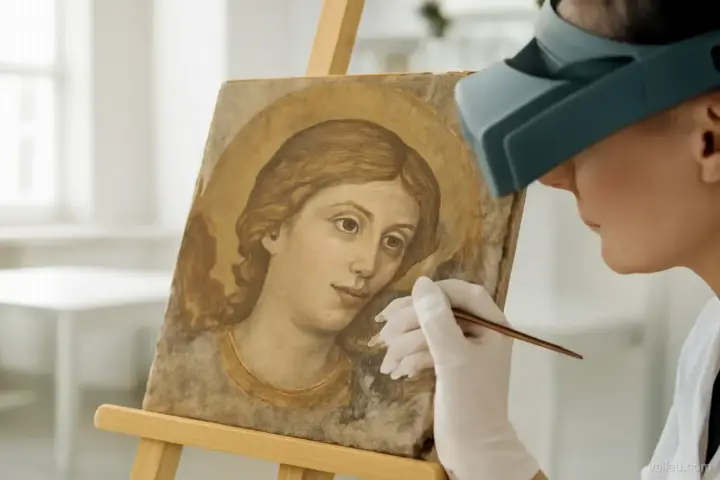
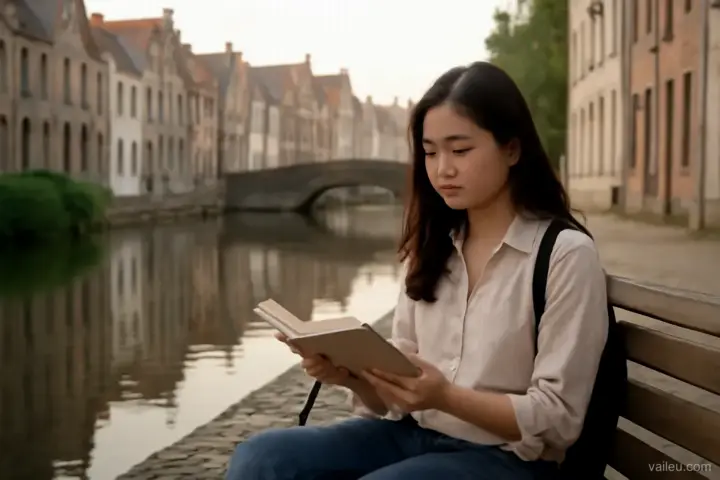
One habit you will notice in European galleries is people sitting with a sketchbook or notebook. Drawing a detail, or simply writing three sentences about what you feel in front of a painting, forces you to look properly. Many museums welcome pencil sketching in permanent galleries. Even if you cannot draw, the act of trying will fix the work in your memory far better than a phone photo.
Budget and discounts
Many museums offer reduced prices for young people or students, free days each month, or city cards bundling several attractions. Conditions vary and change, so check official websites. Bring your student card and ID to claim discounts.
What to remember
Visiting a museum in Europe is not a contest to see the most works. It is a chance to stand before what people have made over thousands of years and let it touch you. Choose less, look slowly, read the stories, and you will bring home not just photos but real memories.
Frequently asked questions
Should I book museum tickets in advance?
For major museums in high season, yes. Book on the official website to choose a time slot and avoid long queues. Some museums require timed entry.
How long does a big museum take?
You cannot see everything in one day. Two to three focused hours on a few sections suits most visitors.
Can I take photos in museums?
Many museums allow photos without flash in permanent galleries, but some rooms or exhibitions forbid it. Watch for signs and ask staff.
Are there discounts for students or young people?
Many museums offer reduced or free entry for young people, students or on certain days. Conditions vary, so check the official website.
How can I make a museum visit fun for children?
Choose fewer rooms, turn the visit into a treasure hunt, take frequent breaks and use family activities if the museum offers them.