Switzerland is a small country with four national languages: German, French, Italian and Romansh. Its regions differ in language, religious tradition, cuisine and even pace of life. Yet the Swiss share a clear common identity. The secret, as they often explain it, lies in respect for difference, wide self-government for the cantons and a habit of seeking consensus. Switzerland is a fascinating example of how several communities can live together in harmony.
A unique language map
German is spoken across most of the north and centre, home to cities such as Zurich, Basel and Bern. French is used in the west, around Geneva and Lausanne. Italian is spoken in the southern canton of Ticino and parts of Graubünden. Romansh, the least spoken national language, survives in several valleys of Graubünden.
Signs, banknotes and product packaging are often printed in several languages. On trains, announcements may switch language as the train crosses a regional boundary. In some towns, simply walking over a bridge takes you into a different language area.
Each region with its own character
Many Swiss joke about an invisible line between the German-speaking and French-speaking regions, visible in eating habits, fashion and even voting patterns. The Italian-speaking south has a Mediterranean feel, with piazzas, palm trees and a more relaxed rhythm.
These differences are not erased but treated as part of the country’s richness. Children learn at least one other national language at school, national institutions try to balance regional representation and the media serve each language community.
- German-speaking areas: standard German in writing, Swiss German dialects in speech.
- French-speaking areas: close to French culture but with their own identity.
- Italian-speaking areas: warmer climate and a strong Italian cultural influence.
- Romansh areas: small communities supported in preserving their language.
Cantons and self-government
Switzerland is a federation of cantons, each with its own constitution, parliament and government, deciding many matters such as education, cantonal taxes and policing. Municipalities also enjoy considerable autonomy.
For foreigners this has practical consequences: residence procedures, school calendars and rental rules can differ between cantons. When moving to Switzerland, look for information on the official websites of your canton and municipality, not only on national portals.
Consensus as a habit
In politics and at work, the Swiss tend to seek consensus. The federal government is made up of members from several parties governing together, and citizens are regularly consulted through referendums on many issues.
In the workplace this means consulting many people before deciding. The process can be slow, but once a decision is made, implementation usually runs smoothly because everyone has been heard. International employees often remark that colleagues rarely argue fiercely, preferring to discuss patiently until an acceptable solution emerges.
Punctual and reliable
Swiss public transport is famous for punctuality. Trains, buses, boats and cable cars are coordinated for easy connections. That reliability is also expected in daily life: arriving on time, keeping promises and working precisely.
For travellers this means plans can be fairly tight. For employees it sets a standard to meet. An apology with advance notice of a delay is always valued more than silence.
An identity built on shared values
The Swiss often say their nation is not based on a common language or ethnicity but on the will to live together. Values such as self-government, personal responsibility, respect for minorities and practicality are seen as the ties that bind.
Shared symbols help too: the Alps, the national day with bonfires on the hills and traditions such as cow fighting in mountain regions or alphorn music. Each region keeps its own identity while sharing these images.
Swiss German: a surprise for learners
Many international students who studied German at home arrive in Zurich and find they barely understand local conversations. Everyday life is conducted in Swiss German dialects, which differ considerably from standard German in pronunciation, vocabulary and even grammar. Newspapers, official documents and university lectures, however, usually use standard German, and Swiss people readily switch when they realise they are talking to a foreigner.
The advice from those who went before is not to be discouraged. Keep strengthening your standard German while training your ear with local radio, and learn a few Swiss greetings such as grüezi. A greeting that matches the region is often enough to earn a smile.
Working in a multilingual environment
In many Swiss companies, especially in cities such as Basel, Geneva and Zurich, colleagues come from different language regions and from abroad. Meetings may slip between German, French and English, and emails are sometimes written in one language and answered in another. People generally accept this with good humour and adapt to whoever is in the room.
For newcomers, the key is flexibility. Ask which language a meeting will be held in, do not hesitate to request a quick summary in English if needed and show willingness to learn the local language over time. Colleagues notice and appreciate the effort.
Food across the language borders
Food also tells the story of identity. The French-speaking west is known for fondue and raclette, melted cheese dishes shared in the cold season. The German-speaking regions have rösti, crispy grated potatoes. The Italian-speaking south offers polenta, risotto and grotto taverns tucked into cool rock caves in the mountains. Today these dishes are popular nationwide, yet locals remain proud of the specialities of their own region.
Sharing such a meal with Swiss friends is a lovely way to learn about where they come from, and a reminder that unity does not require everyone to eat or speak the same way.
Clean, quiet and considerate
Visitors often remark on how clean and calm Swiss towns feel. Behind this are habits of consideration: sorting rubbish carefully, respecting quiet hours in apartment buildings and keeping shared spaces tidy. Building rules may even specify when the laundry room can be used. These details can seem strict, but they reflect a shared sense that everyone contributes to a pleasant common environment.
Preparing for life in Switzerland
- Find out which language region you will study or work in and start learning that language early.
- Read your canton’s and municipality’s information on registration, insurance and housing.
- Plan your finances carefully, as living costs are generally high.
- Get used to punctuality, appointments and building rules.
- Check visa and residence permit requirements on official Swiss government websites, as rules can change.
A lesson in living with difference
Many countries, Vietnam included, are home to diverse communities with their own accents, cuisines and customs. The Swiss story suggests something hopeful: difference need not be a barrier and can become a source of richness when every community is respected and heard.
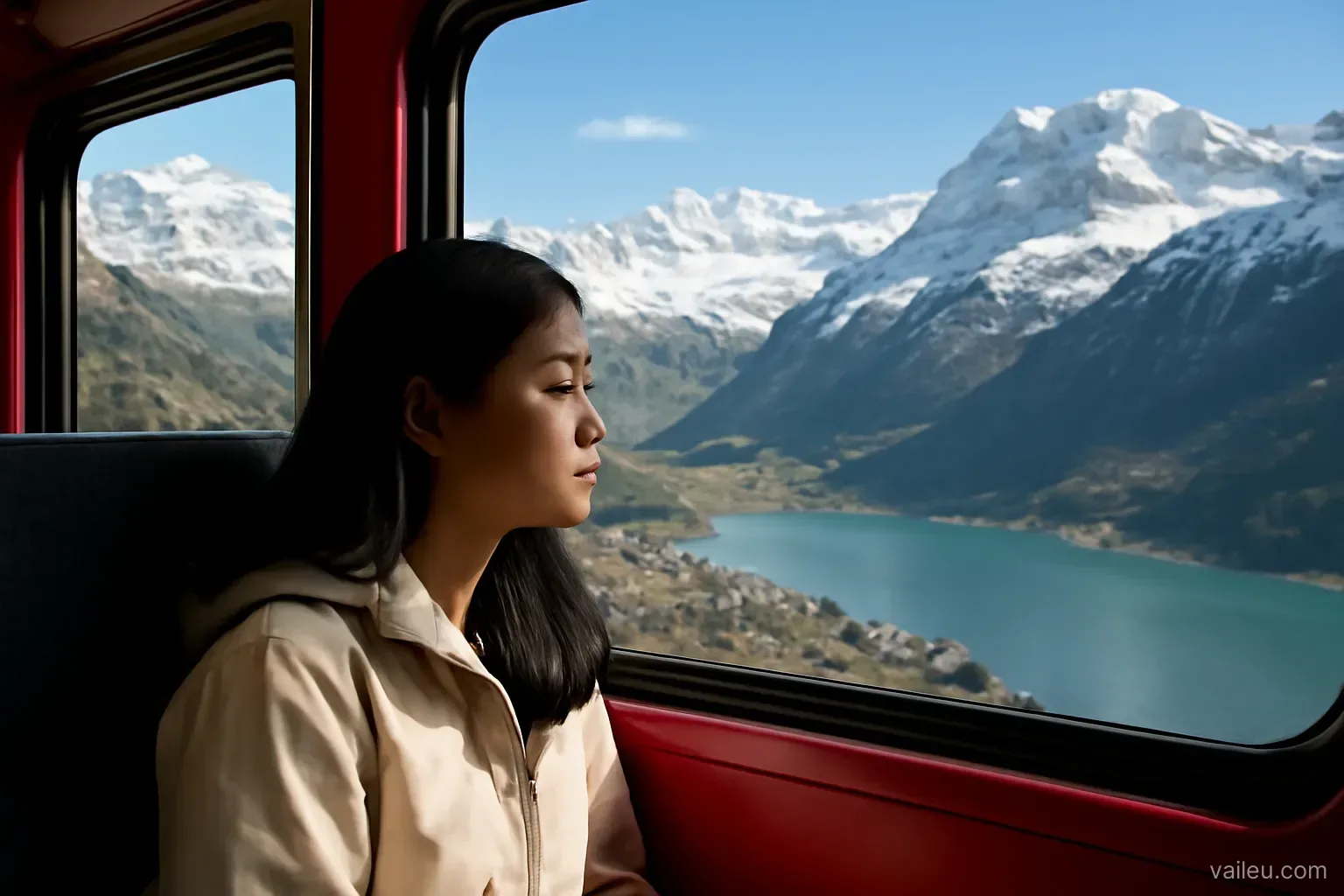
Sitting on a train through Switzerland’s language regions, hearing announcements shift from German to French and then Italian, you feel clearly that a nation can be united without being uniform.
Frequently asked questions
What are the national languages of Switzerland?
There are four: German, French, Italian and Romansh. German is spoken across most of the country, French in the west, Italian in the south and Romansh in some mountain valleys in the south-east.
Do Swiss people speak all four languages?
Usually not. Most are fluent in their regional language, learn another national language at school and many speak English. Very few are fluent in all four.
Is Swiss German the same as German in Germany?
Written texts use standard German, but everyday speech is in Swiss German dialects, which differ quite a lot. Learners of German may need time to tune their ear.
Which language should international students learn?
It depends on the university and region. Many postgraduate programmes are taught in English, but learning the local language helps a great deal with daily life and job prospects. Check language requirements on the university’s official website.
What holds Switzerland together?
As the Swiss often explain it: respect for cantonal autonomy, a habit of seeking consensus rather than imposing decisions and an identity based on shared values rather than a single language or ethnicity.