The Nordic countries, Denmark, Sweden, Norway, Finland and Iceland, are often associated with long winters, stable societies and high living standards. The best way to understand the people, though, is through a handful of hard-to-translate words used every day: Danish hygge, Swedish lagom, Finnish sisu, the region-wide Janteloven and the right to roam in nature. Each word is a slice of identity, and each offers something for visitors to reflect on.
Hygge: warmth in the long winter
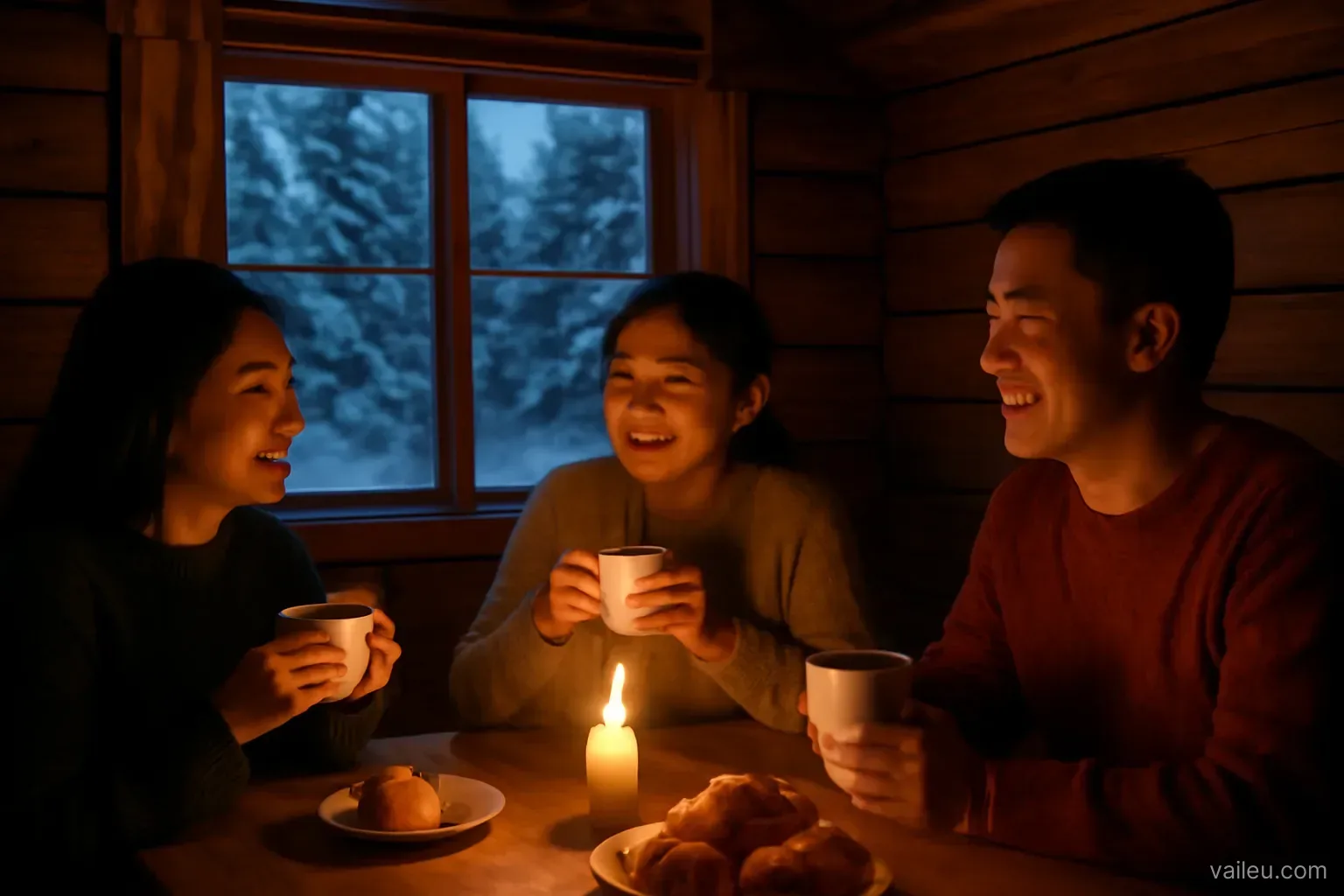
Danish winters bring early darkness and many grey days. Danes respond with hygge, a feeling of cosiness and togetherness. Hygge can be an evening with candles, a pot of soup, board games with friends or simply reading by the window under a wool blanket.
The heart of hygge is not beautiful furniture or expensive scented candles but being fully present with each other, unhurried and unpretentious, avoiding heated arguments. Vietnamese readers may recognise hygge in rainy evenings when the family gathers with tea and snacks. It is a simple happiness that every culture knows by a different name.
- Put your phone away when you are with loved ones.
- Cook something simple and invite friends to share it.
- Use soft, warm lighting in the evening instead of harsh white light.
- Make time for slow activities such as reading, knitting or board games.
Lagom: just enough is beautiful
Swedes use the word lagom, meaning just the right amount. Not too much, not too little. Lagom shows up in minimalist yet practical home design, in the habit of not working excessive hours and in moderate consumption.
Lagom is not a celebration of mediocrity. It is a reminder of balance: knowing when enough is enough so you do not burn out, waste resources or chase endless competition. Vietnamese culture has a saying that being content with enough is truly enough, and Vietnamese people living in Sweden often find lagom close to their grandparents’ wisdom.
A familiar expression of lagom is fika, the coffee and pastry break in the middle of the working day. In many Swedish workplaces, fika is when everyone from new hires to senior managers sits together and talks. It is a gentle way to sustain energy and build team spirit.
Sisu: perseverance in adversity
Finland has the word sisu, describing grit and endurance in hard times. Sisu means continuing to walk when your legs are tired, staying calm and doing what needs doing when circumstances are unfavourable. Many Finns regard it as a national trait shaped by a harsh climate and a demanding history.
Sisu is not loud. It is not recklessness but quiet, disciplined endurance. People from cultures that prize hard work and perseverance easily relate to it. A Vietnamese student in Helsinki once compared sisu to the Vietnamese proverb that with enough effort an iron bar can be ground into a needle.
Janteloven: nobody is better than anyone else
Janteloven, the Law of Jante, is an unwritten code known across the Nordic region, originating in a novel. Its core message is do not think you are better than others and do not show off. It has contributed to societies that value equality, where company directors cycle to work and few people flaunt wealth.
Janteloven has a downside too, and Nordic people debate it openly: it can make people hesitant to display talent. For foreigners, the practical lesson is that modesty is appreciated. Presenting your achievements calmly, with concrete evidence, works better than grand language.
The right to roam
In Sweden, Norway, Finland and some other countries there is a tradition often called everyone’s right to nature. People may walk, cycle, pick berries and mushrooms and camp briefly on much natural land, including land they do not own.
The right comes with clear responsibilities: cause no damage, leave no litter, do not disturb landowners, keep a distance from homes and follow fire rules. Each country has its own regulations, which also vary by area, so visitors should read official guidance before setting out. The underlying idea is beautiful: nature is a shared treasure and everyone is responsible for protecting it.
- Take all rubbish home, even fruit peel.
- Check for fire bans during dry periods.
- Keep your distance from houses and livestock.
- Only pick berries and mushrooms you can identify with certainty.
- Respect nature reserves with special rules.
No bad weather, only unsuitable clothing
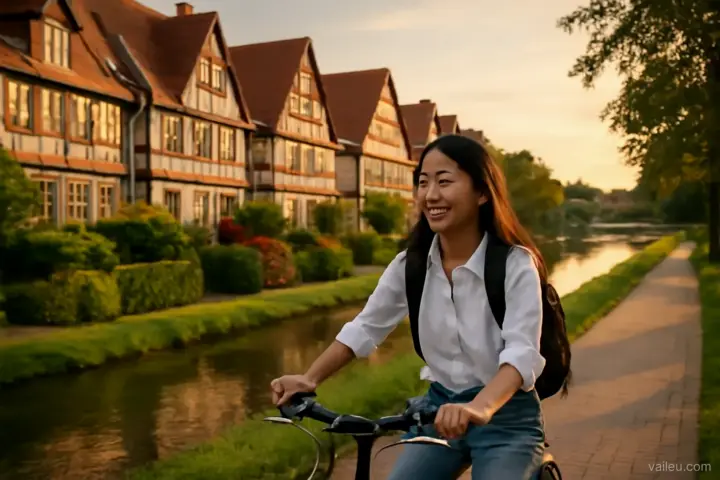
A popular Nordic saying holds that there is no bad weather, only unsuitable clothing. Children in many places play outdoors in rain and snow, and adults keep walking, skiing and running through winter. Being close to nature all year is seen as a foundation of physical and mental health.
International students often find the winter the biggest challenge. Those who have gone before advise investing in good warm clothing, going outside regularly even when darkness comes early, making the most of daylight and joining outdoor activities with friends.
Sauna and Finnish silence
In Finland the sauna is part of everyday life. Many flats, workplaces and schools have one. People use it to relax, to talk and sometimes to think in silence. Finns are also known for being comfortable with silence in conversation and not feeling the need to fill every pause.
For visitors from chattier cultures this can feel awkward at first. Understanding that silence here does not mean coldness makes things easier, and some even come to enjoy the calm.
Trust as social glue
Visitors often notice how much everyday life in the Nordics rests on trust. Prams are left outside cafés, honesty boxes sell vegetables by country roads and people generally assume that others will follow the rules. This trust is not naive; it has grown over generations alongside transparent institutions and a shared sense that cooperation benefits everyone.
For newcomers, the best way to fit in is to honour that trust: queue properly, pay for what you take, return what you borrow and keep your word. Small acts of reliability are noticed and quietly appreciated.
Gentle lessons for visitors
- Find joy in simple things such as a cosy meal.
- Know when enough is enough to balance work, rest and family.
- Stay persistent and disciplined in hardship without fuss.
- Be modest about yourself and let results speak.
- Spend time in nature regularly and protect it for others.
The Nordic countries are not perfect, and their own citizens discuss their societies’ problems openly. Yet small concepts like hygge, lagom and sisu point to a deliberate way of living that is worth exploring and adapting to one’s own circumstances.
Frequently asked questions
Is hygge just about candles and coffee?
No. Candles and coffee are only the surface. Hygge is a feeling of warmth, safety and closeness with people you care about in a relaxed space, without pressure or showing off.
How is lagom different from mediocrity?
Lagom means just enough, neither too much nor too little. It is about balance in work, consumption and rest, not about settling for less.
What is Finnish sisu?
It is stubborn perseverance in the face of hardship, the determination to keep going when things seem overwhelming. Many Finns see it as a defining national quality.
Does the right to roam mean walking anywhere on private land?
In several Nordic countries people may walk, pick berries and camp briefly on much natural land, including private land, but must respect landowners, avoid damage and keep away from homes. Rules differ by country, so read official guidance.
What can Vietnamese visitors learn from Nordic life?
Balance between work and rest, joy in simple things, spending time outdoors in any weather and modesty in presenting oneself.