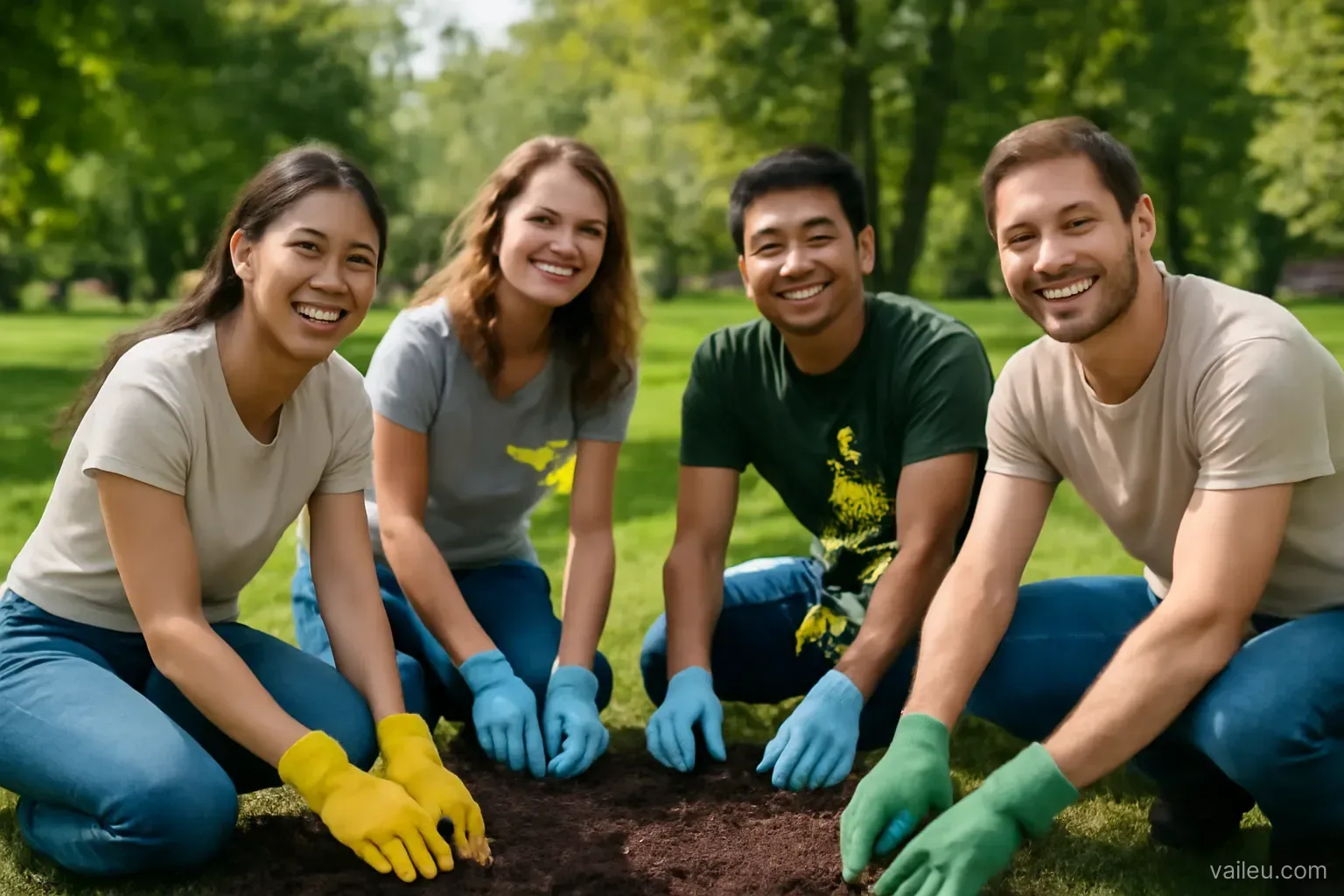
In Europe, volunteering is a familiar part of everyday life. People of all ages give time to food banks, festivals, parks, reading to older people and coaching children’s sports teams. For international students, volunteering is an excellent way to integrate, practise the language, make local friends, understand society more deeply and gain experience that employers value. The main points to remember are choosing trustworthy organisations and checking residence rules when an activity involves allowances.
Volunteering in European culture
Civil society is strong in many European countries, with thousands of associations, clubs and non-profits run largely by volunteers. Local sports clubs are often managed by parents and members. Music festivals and cultural events rely heavily on volunteers. In many small villages, even the fire brigade is voluntary.
This spirit comes from the idea that everyone has a responsibility to contribute to the community they live in, not only through taxes but through time and effort. Volunteering is therefore one of the quickest ways for newcomers to be welcomed as members of the community.
Common types of volunteering
- Food banks and community kitchens: sorting and distributing food to people in need.
- Nature conservation: planting trees, cleaning riverbanks and beaches, tending community gardens.
- Cultural and sports events: supporting music festivals, races and exhibitions.
- Support for older people: conversation, reading and walks with isolated seniors.
- Education: tutoring children, language teaching and library support.
- Supporting international students: welcoming newcomers, buddy programmes and social events.
- Charity shops: selling donated goods to fund social projects.
Benefits for international students
Volunteering offers experiences no classroom can provide. You communicate naturally with locals of all ages, hear the language in real contexts and see how Europeans organise shared work. Many students say that one morning sorting food with retired volunteers taught them more of the language than a week of lessons.
Volunteering also builds networks and develops teamwork, event organisation and problem-solving skills. When applying for jobs or scholarships later, volunteering experience is a clear advantage.
- Practising the language in real situations.
- Making local and international friends.
- Understanding the culture and social issues of your host country.
- Developing soft skills and responsibility.
- Gaining references and experience for your CV.
- A sense of purpose and less loneliness far from home.
Where to find opportunities
The easiest starting point is your university. Student offices, the students’ union and clubs often list volunteering activities. Many cities have volunteering portals or centres connecting people who want to help with organisations that need them.
The EU also runs volunteering programmes for young people, supporting solidarity projects in Europe and beyond. Eligibility, age limits, nationality requirements and types of support vary by project, so read the details on the programme’s official portal.
- Ask your university’s student office and students’ union.
- Search your city’s volunteering portal.
- Contact non-profit organisations you care about directly.
- Join international and home-country student communities to hear about group activities.
- Explore EU volunteering programmes on the official portal.
Residence rules to check
Unpaid volunteering is generally accepted for international students. However, the line between volunteering and work can vary. If an activity includes allowances, meals, accommodation or regular work-like duties, it may be treated as employment and count toward your working hour limit.
When unsure, ask your university’s international office or check the immigration authority’s website. Keeping a letter from the organisation confirming the voluntary nature of your role is a good habit.
Choosing a trustworthy organisation
Most volunteering organisations in Europe operate transparently and professionally. Still, take care, especially with volunteering-abroad schemes that charge high fees.
- Clear registration details, address and contact person.
- A specific description of tasks, time and responsibilities.
- A coordinator and initial training where needed.
- No unusual fees or requests for original identity documents.
- Insurance for volunteers in activities that carry risk.
Volunteering in the right spirit
Good volunteering starts with respect. Arrive on time, keep your commitments, listen to coordinators and respect the dignity of the people you support. With older or vulnerable people, talk as you would with a friend and never take photos without permission.
You can also bring something of your own: introducing your home cuisine at a community event, teaching a few words of your language to children or sharing a festival tradition. Such small contributions help Europeans learn about other cultures in the most personal way.
Finding the right fit
It is worth trying a couple of different activities before committing long term. Some people thrive in busy festival settings, others prefer quiet one-to-one support or practical outdoor work. Consider how many hours you can realistically give during term time and exam periods, and be honest with organisers about your availability. A modest but reliable commitment is far more valuable to an organisation than an ambitious promise that cannot be kept.
Skills you can offer
Do not underestimate what you already bring. Language skills are valuable to organisations supporting multilingual communities, digital skills help small associations manage social media or simple websites, and experience in cooking, music, sport or photography can enrich community events. Students in fields such as education, health, environmental science or engineering may find volunteering roles closely linked to their studies, which can deepen learning and clarify career goals.
When you contact an organisation, briefly describe what you can do and how much time you have. Coordinators appreciate volunteers who are clear about their strengths and limits, and they can then match you to tasks where you will make a real difference to the people and causes they serve.
Stories from those who took part
Many international students say that what they remember most from their years in Europe is not an exam or a trip but Saturday mornings in a community garden, evenings helping in a charity kitchen or festival seasons spent on logistics with friends from around the world. Those were the moments they stopped feeling like guests and became part of the place they lived.
Many carry that spirit home, joining or starting community projects in their own countries. It may be one of the most meaningful gifts Europe gives back.
Frequently asked questions
Can international students volunteer?
Generally yes; unpaid volunteering is widely accepted. However, the line between volunteering and work can differ between countries, so check residence rules and ask your university if an activity includes allowances.
Where can I find volunteering opportunities?
Your university’s student office, the students’ union, city volunteering portals, local non-profit organisations and EU volunteering programmes for young people.
Can I volunteer if I do not speak the local language well?
Yes. Many activities such as nature clean-ups, festival support or sorting donations do not require advanced language skills, and they are a great way to practise.
Does volunteering help with job applications?
Yes. European employers often value volunteering experience as evidence of responsibility, teamwork and community engagement.
How can I tell if an organisation is trustworthy?
Look for clear registration details, a specific role description, a named coordinator and no unusual fees. Ask your university or people who have volunteered before.