The Mediterranean diet is famous for olive oil, fresh vegetables, pulses, grains, fish and a relaxed shared meal. What makes it special, however, is not just the list of foods. When UNESCO inscribed the Mediterranean diet as intangible cultural heritage, it stressed that this is a whole way of life: from farming, fishing and seasonal cooking to sitting down together around the table. For visitors from cultures built on family meals, much of it feels surprisingly familiar.
A heritage shared by many nations
The Mediterranean diet was inscribed by UNESCO with the participation of several countries around the sea, including Spain, Greece, Italy, Portugal, Croatia, Cyprus and Morocco. This reveals something striking: despite different languages, religions and histories, peoples around the Mediterranean share a way of eating shaped by a sunny climate, hillsides of olives, vines and wheat, and a sea rich in fish.
Each country has its own dishes, but ingredients and spirit overlap. That is why people speak of the Mediterranean diet as a culinary family rather than a fixed menu.
Pillars on the table
- Olive oil as the main fat, used for salads, cooking and dipping bread.
- Seasonal vegetables and fruit making up most of the meal.
- Pulses such as chickpeas, lentils and white beans as key proteins.
- Grains such as bread, pasta, rice and barley as the foundation.
- Fish and seafood eaten often, red meat less often.
- Nuts, herbs, garlic and lemon giving flavour instead of lots of salt.
- Yoghurt and cheese in moderation.
What stands out is simplicity. Many famous dishes use only a few fresh ingredients: Greek salad with tomatoes, cucumber, olives and feta; lentil stew; grilled fish with olive oil and lemon; bread rubbed with tomato. Ingredient quality matters more than elaborate technique.
Eating with the seasons, shopping at the market
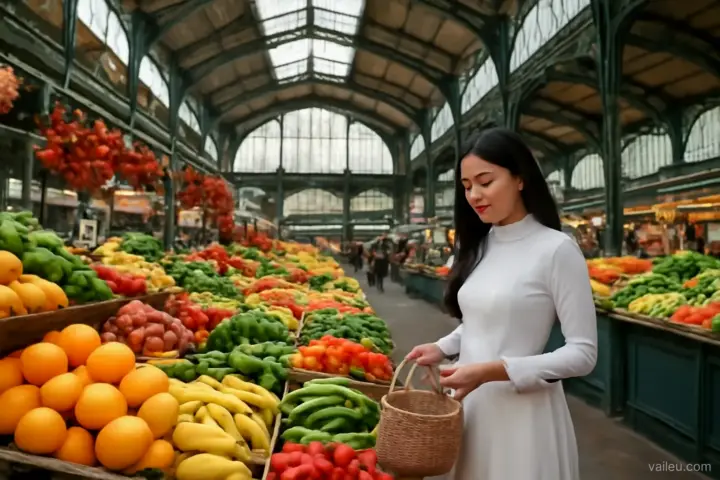
In Mediterranean countries, the market is the heart of food life. People buy seasonal produce, fish from the morning catch and freshly baked bread. Summer brings tomatoes, peppers, aubergines and watermelon; autumn offers mushrooms, pomegranates and chestnuts; winter has oranges, lemons and leafy greens.
Seasonal eating is tastier and cheaper and connects people to natural rhythms. Many cultures share this tradition of eating whatever the season brings, so visitors often feel instantly at home in a Mediterranean market.
The shared meal: the soul of the heritage
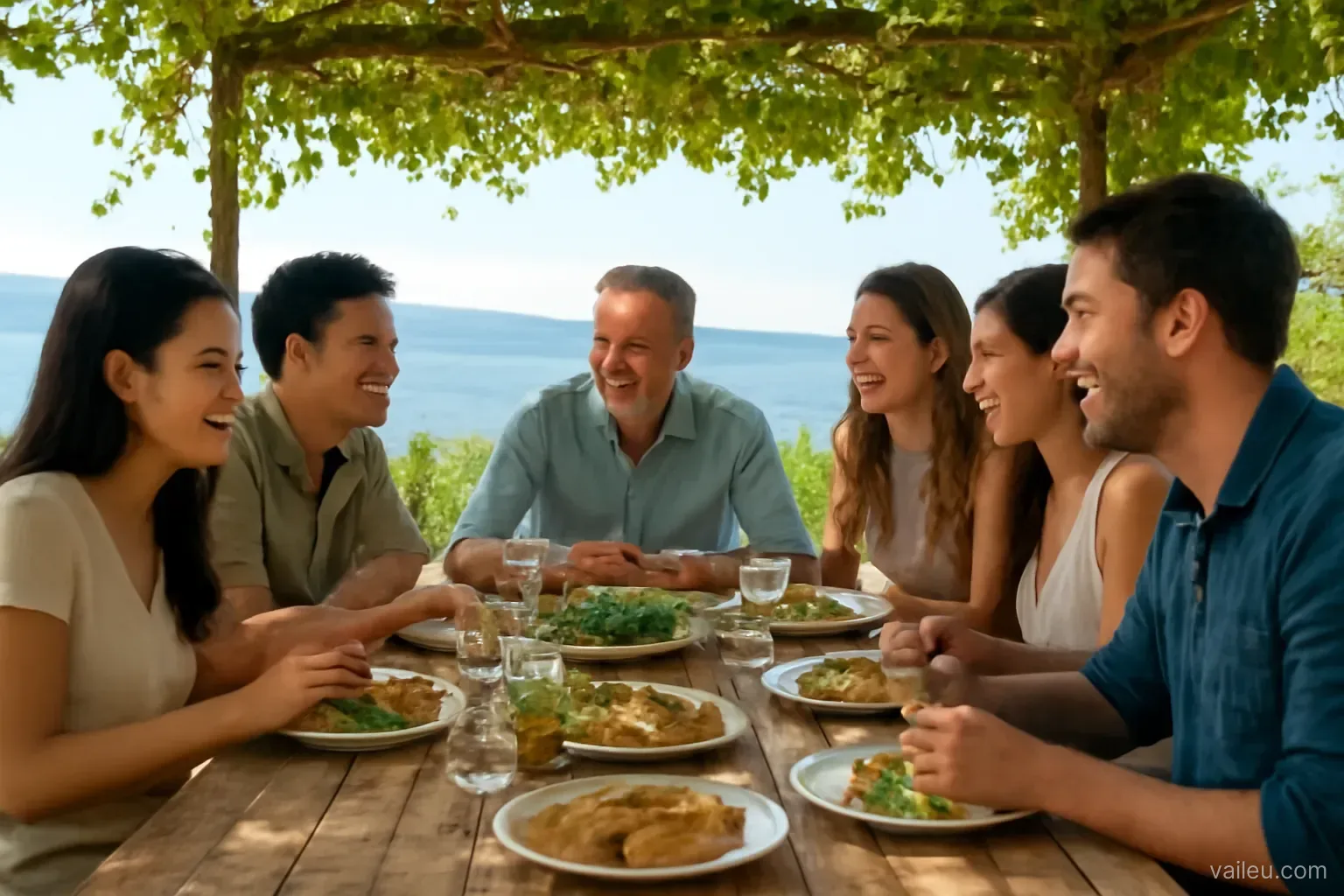
UNESCO particularly emphasises the value of sharing meals. In many Mediterranean regions, lunch or dinner is a time for family and friends to sit together for a long time, talking and laughing. In Spain, the tradition of tapas turns dinner into a stroll through small bars with friends. In Greece, small mezze plates are placed in the centre for everyone to share.
This style of communal eating, with dishes in the middle of the table, feels familiar to people from many Asian cultures where meals are also shared from central plates. It is a lovely meeting point between cultures half a world apart.
A slower rhythm
In many Mediterranean countries, lunch can be long and dinner is later than in northern Europe. People rarely eat hurriedly in front of screens; they sit at the table, eat slowly and savour each dish. A slower pace helps you notice flavour and feel full more naturally.
For busy students, slow eating may seem a luxury. Yet setting aside at least one proper sit-down meal a day, ideally with friends, is a good habit for both body and mind.
Health: keeping claims in proportion
The Mediterranean diet features often in nutrition research, and many studies have associated it with certain health benefits. Still, there is no miracle food. Benefits come from the whole pattern: lots of plants, good fats, few ultra-processed foods, regular physical activity and strong social ties.
Individual needs differ. If you have a medical condition or want to change your diet significantly, consult a doctor or dietitian.
Following it on a student budget
Many people assume Mediterranean eating is expensive because of olive oil, fish and nuts. In reality, most meals can be built from cheap ingredients, especially pulses and seasonal vegetables.
- Cook a pot of lentil or chickpea stew with vegetables to last several meals.
- Buy seasonal produce at the end of market day, when it is often cheaper.
- Use tinned fish such as sardines or tuna in salads and pasta.
- Buy olive oil in larger bottles for both dressing and cooking.
- Grow a few pots of herbs such as basil and rosemary on the windowsill.
- Combine with dishes from home that share the same spirit, such as vegetable soups, tofu and braised fish.
A few easy dishes
- Greek salad: tomatoes, cucumber, red onion, olives, feta, olive oil and oregano.
- Lentil stew: lentils, carrots, onion, garlic, tomatoes and bay leaves.
- Pasta with tomatoes, garlic, olive oil and basil.
- Oven-baked fish with lemon, garlic, herbs and vegetables.
- Toasted bread rubbed with tomato, drizzled with olive oil and a pinch of salt.
Markets, festivals and food traditions
Food festivals across the Mediterranean celebrate harvests of olives, grapes, citrus and fish. Visiting a village during its harvest festival, or joining a cooking class with a local family, is one of the best ways to understand the diet as living culture rather than a set of rules. Many cooking schools welcome beginners and teach dishes that are easy to repeat at home with a student budget. Recipes learned this way, with the story of the family who taught them, tend to stay with you for years.
What is worth learning
The Mediterranean diet reminds us that eating is not just about energy. It is a relationship with land, seasons, farmers and fishers, and with the people who share our table. Every culture with a tradition of family meals holds a similar treasure worth protecting.
While living in Europe, try combining the best of both worlds: fresh seasonal ingredients, olive oil and herbs from the Mediterranean, together with the shared-table spirit of home. Such a meal is delicious, warm and a bridge between cultures, and it is best enjoyed slowly with friends around the same table.
Frequently asked questions
What does the Mediterranean diet include?
Mainly vegetables, fruit, pulses, grains and nuts, with olive oil as the main fat, moderate fish and seafood, little red meat and sweets, and herbs used instead of lots of salt.
Why did UNESCO inscribe the Mediterranean diet?
Because it is a set of knowledge, skills, rituals and traditions around farming, fishing, cooking and sharing food that binds communities in many countries around the Mediterranean.
Is the Mediterranean diet healthy?
Many studies have linked this way of eating with health benefits, but individual needs differ. If you have a medical condition, consult a doctor or dietitian before making major changes.
Can students follow it on a tight budget?
Yes. Pulses, seasonal vegetables, grains, eggs and tinned fish are cheap and fit well. Buying olive oil in larger bottles is often more economical.
What does it share with other food cultures?
Plenty of vegetables and fresh herbs, fish and plant proteins, a staple grain and especially the habit of eating together. Many Asian family meals share these traits.