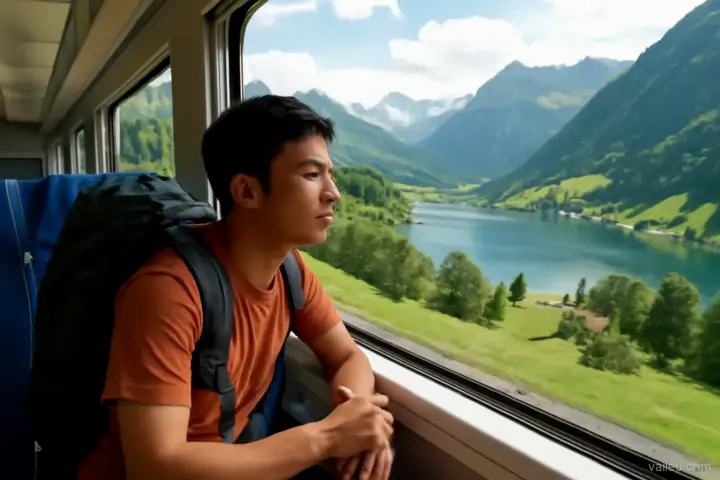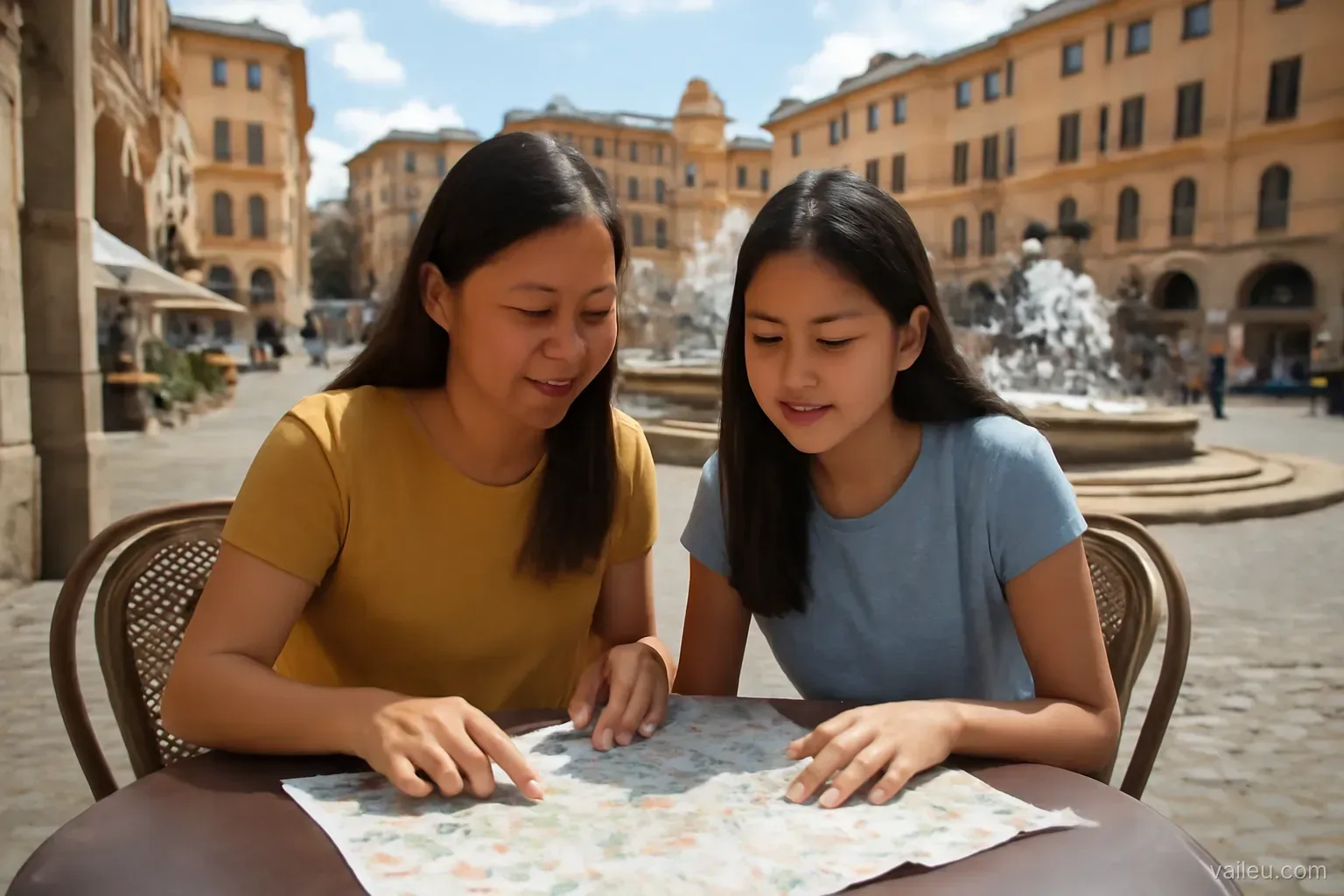
For a first trip to Europe lasting about two weeks, the most memorable approach is usually to choose two or three neighbouring countries, four or five cities, stay at least three nights in each and travel between them by train. It sounds modest, but slow travel lets you really live in a place: breakfast at a bakery that becomes familiar, getting lost in a neighbourhood not in the guidebook, sitting in a square watching locals go by. Those moments last longer than any check-in photo.
The trap of ten countries in twelve days
Many Vietnamese visiting Europe for the first time want to see as many countries as possible because flights are expensive and nobody knows when they will return. That is understandable, but do the maths: every change of city costs half a day for checking out, getting to the station, travelling and finding new lodgings. Ten countries in twelve days means most of your time is spent in transit, with just enough time for a few photos in front of each landmark.
Europe is not going anywhere. A deep trip will make you want to return, and next time you can explore a different region.
Principles for planning
- Choose one region rather than spreading across the continent.
- Three nights or more per place, at least in major cities.
- Keep each journey under four or five hours where possible.
- Mix big cities with small towns to change the rhythm.
- Leave a day or two free for fatigue, bad weather or unexpected discoveries.
- Fly into one city and out of another to avoid backtracking.
Sample route one: France, Switzerland, Italy
A classic route for lovers of art, mountains and food.
- Paris, four nights: museums, walks along the Seine, a day trip to Versailles or a nearby town.
- Swiss lakes or mountains, three nights: train from Paris, lakeside walks, a cogwheel railway or cable car up a mountain.
- Milan or Lake Como, two nights: cross into Italy on a mountain railway.
- Florence, three nights: the Renaissance, with day trips to Siena or the Tuscan hills.
- Rome, three nights: ancient sites; fly home from Rome.
Sample route two: Central Europe
A route for those who love architecture and music and prefer friendlier prices.
- Berlin, three nights: twentieth-century history, museums, youthful energy.
- Prague, three nights: old town, stone bridge, castle; a large Vietnamese community.
- Český Krumlov or another small town, one or two nights: slow pace, fairy-tale scenery.
- Vienna, three nights: palaces, coffee houses, concerts.
- Budapest, three nights: the Danube and thermal baths; fly home from Budapest.
Sample route three: Spain and Portugal
A route for lovers of sunshine, sea and food.
- Barcelona, four nights: Gaudí’s architecture, beaches, markets.
- Madrid, three nights: great museums, day trips to Toledo or Segovia.
- Seville or Granada, three nights: Andalusian heritage, palaces, flamenco.
- Lisbon, four nights: hills, vintage trams, a day trip to Sintra; fly home from Lisbon.
These routes are only suggestions. Adjust them to your interests, the season and your group’s energy.
Stay put and take day trips
A simple trick that makes trips much lighter is to choose a base city for three or four nights and take day trains to nearby towns. For example, stay in Florence and visit Siena, Pisa or Lucca; stay in Munich and visit Salzburg or Bavarian castles. You avoid dragging suitcases every day and can travel light.
Budget: think in principles
Costs in Europe vary greatly by region and season. Western and Northern Europe are usually more expensive than Southern and Central-Eastern Europe; summer and holidays cost more than off-season. The biggest items are flights, accommodation, transport and food. Longer stays are often cheaper per night, apartments with kitchens save on meals, and early train tickets beat last-minute fares. Check real prices on booking platforms before setting your budget.
What to book and what to leave open
- Book ahead: flights, accommodation, high-speed trains and attractions requiring timed entry such as some famous museums, churches and palaces.
- Leave open: everyday restaurants, regional trains, walks, parks and markets.
- Travel insurance: needed for the visa and for peace of mind.
Choosing where to stay
Location matters more than luxury. Staying near the station or the centre saves time and transport costs every day and makes it easy to return for a midday rest. An apartment with a small kitchen is handy for Vietnamese families craving a hot home-cooked meal after days of European food. Read guest reviews carefully, noting details such as lifts, noise and safety at night. Some cities regulate short-term rentals strictly, so prefer properly registered places.
Tips to avoid exhaustion
- Plan a light first day after a long flight to adjust to the time difference.
- Choose only one main sight per day and wander the rest of the time.
- Wear comfortable walking shoes you have already broken in; cobblestones are tiring.
- Take a short midday rest if you can, especially in summer.
- Stay hydrated and carry a refillable bottle; many places have public drinking fountains.
- Do not hesitate to drop an item from your list if the group is tired.
Travelling with parents or young children
With older relatives or small children, slow down even more. Choose accommodation near the station or centre with a lift, as many old European buildings have none. Alternate walking-heavy days with gentle activities such as boat trips or sightseeing buses. Make time for parks and playgrounds; European cities usually have plenty of space for families.
Keeping a travel journal
Slow travel leaves time for reflection. Many travellers keep a small notebook, writing a few lines each evening about what surprised them, a conversation with a stranger or a dish they want to cook at home. Months later, these notes bring the trip back more vividly than thousands of photos, and they make a lovely keepsake to share with family.
What to remember
Your first trip to Europe does not need to cover everything. Choose less, stay longer, travel slowly and leave room for surprises. You will come home with fewer “I was here” photos, but more stories, more real moments and a clear wish to return.
Frequently asked questions
How many countries should I visit in two weeks?
For a first trip, two or three neighbouring countries make sense. More usually means spending most of your time in transit.
Is a group tour or independent travel better?
Tours suit people who dislike logistics and language barriers but are usually packed. Independent travel is more flexible but needs preparation. You can combine both: travel independently and book day tours where a guide adds value.
Which season is best for a first visit?
Late spring and early autumn are usually pleasant and less crowded than summer. Each region has its own best time.
Should I stay in one place and take day trips?
Yes. Using one city as a base for day trips spares you from dragging suitcases around constantly.
What should I book in advance?
Accommodation, high-speed trains and attractions requiring timed tickets. Leave the rest flexible.