Early education in Finland, Sweden, Denmark and Norway centres on play, outdoor activity, independence and learning to live with others. In primary school, children face very few graded tests; teachers assess through observation and conversations with parents. The foundation is a belief that children learn best when they feel safe, curious and respected.
Vietnamese parents may feel uneasy hearing “no grades”: without exams, how do children learn? This article looks at what actually happens in a Nordic school, what is often misunderstood, and what families elsewhere can borrow without changing an entire system.
Play is serious learning
In a Nordic kindergarten, children spend much of the day playing: building, role play, drawing, sandcastles, climbing, water and soil. Outsiders might think nothing is being learned. In fact, play is how children learn language, counting, negotiation, waiting their turn and solving problems.
Teachers are not bystanders. They observe, ask open questions, prepare environments with age-appropriate materials and record what children can do. Letters and numbers arrive gently, often through games, and formal reading instruction begins later than in many countries.
Outdoors every day, in almost any weather
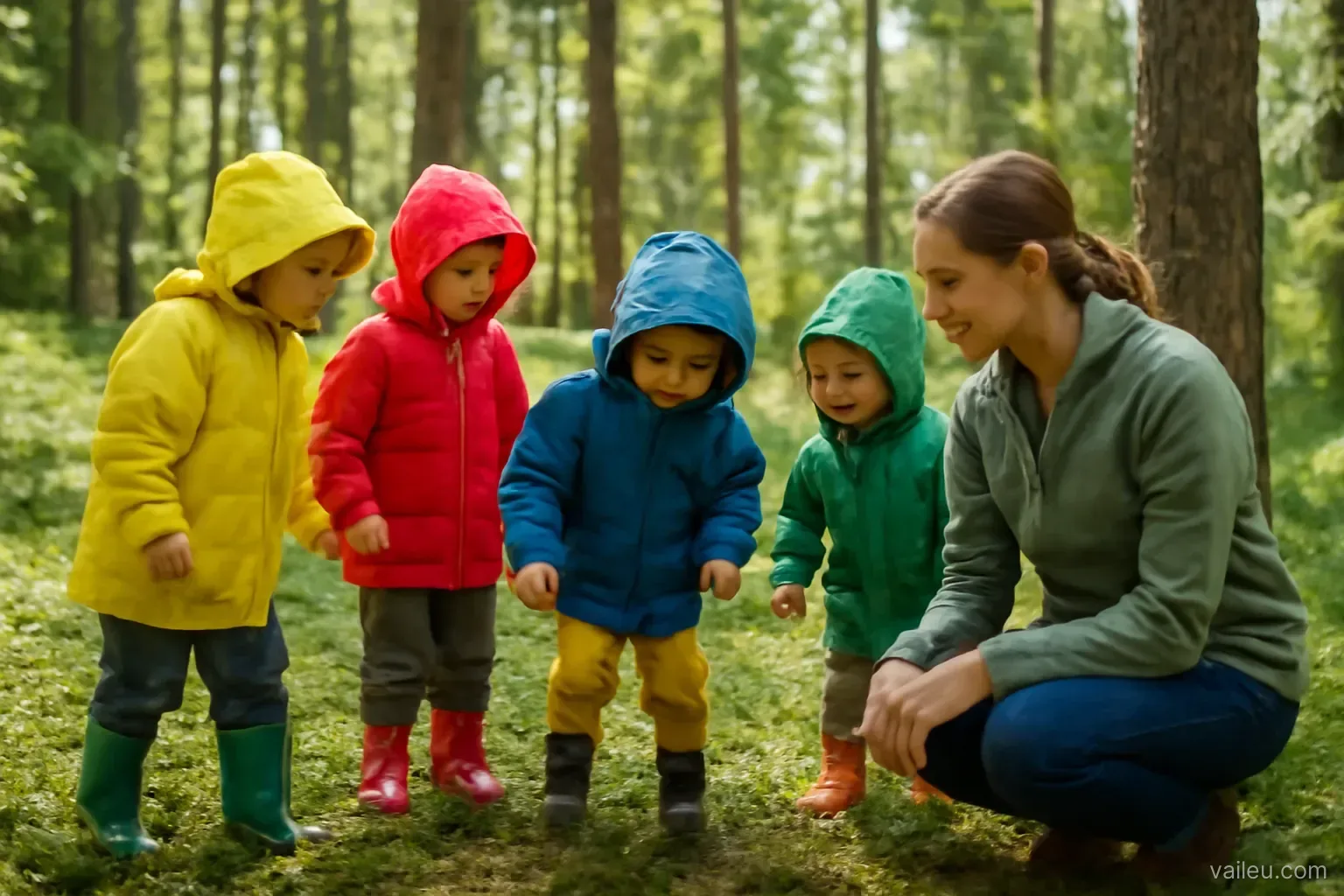
A familiar Nordic scene is a group of children in bright rain gear playing in a forest or park on a chilly day. Some forest kindergartens keep children outdoors for most of the day. The local saying is that there is no bad weather, only unsuitable clothing.
The aim is not harsh toughening. Outdoor movement keeps children healthy, helps them sleep and focus, and teaches them to judge risk: can I climb this branch, is that rock slippery? Schools, of course, have clear safety and weather rules.
Independence through small tasks
- Putting on coats and shoes and storing their own things.
- Serving their own food and clearing plates after lunch.
- Choosing activities during free play.
- Trying to solve small conflicts before asking an adult.
- Helping care for the classroom, such as watering plants and tidying toys.
Adults wait patiently for children to do things themselves, even when it is slower. The goal is for children to feel capable, a feeling that follows them into later schooling.
Primary school: few grades, many conversations
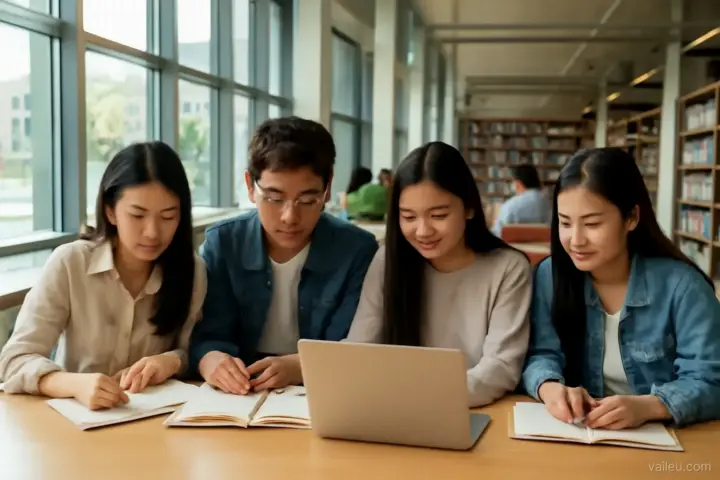
In primary school, children are still rarely graded in a ranking sense. In Finland, for example, large-scale standardised testing is not the focus of the early years. Teachers use descriptive feedback, records and regular meetings between teacher, parents and the pupil about what went well and what needs effort.
Grades do not disappear forever; they appear gradually in higher grades and matter more in secondary school. But the early years are devoted to building intrinsic motivation rather than learning for marks.
Teachers are trusted
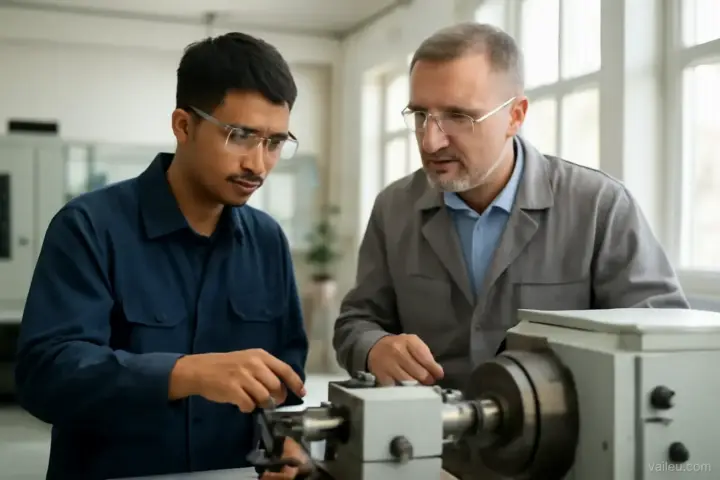
Nordic systems share well-trained teachers who are trusted with autonomy. In Finland, primary teachers usually need a master’s degree, and teaching is a respected profession. Schools are not driven by league tables, giving teachers room to adapt lessons to their class.
That trust works both ways: teachers carry real responsibility for each child’s development and must explain their choices clearly to parents.
Common misunderstandings
- No grades does not mean no learning. Children still learn to read, write and count, just at a different pace.
- It is not “anything goes”. There are routines, class rules and clear limits.
- It is not a perfect model. Nordic countries debate learning outcomes, gaps between groups of pupils and the use of digital devices in class.
- It cannot simply be copied. It rests on small classes, highly qualified teachers and long-standing social trust.
The role of families and the state
This system did not appear by chance. Many Nordic countries offer long parental leave, publicly subsidised childcare networks and a shared view that caring for young children is a joint responsibility of families and society. Fathers as well as mothers are encouraged to take leave. As a result, pressure on any single family member is reduced, and children have attentive adults around them in their most formative years.
Public kindergartens are also expected to work closely with parents. Regular meetings, informal chats at pick-up time and written observations keep families informed, and parents are invited to share what they see at home. The partnership matters as much as the curriculum.
What parents elsewhere can learn
Without moving to Scandinavia, families can still borrow the spirit. Leave children unscheduled time for free play. Take them to parks and fields to touch soil, sand and water. Let them do age-appropriate tasks even if they are slow and clumsy. When they come home from school, ask “what did you enjoy today?” rather than only “what mark did you get?”.
Parents can also rethink mistakes. An imperfect drawing or a wrong answer is part of learning, not something shameful. Children who feel safe to make mistakes are willing to try more.
A day in a Nordic kindergarten
A typical day might begin with a calm arrival and breakfast for those who need it, followed by a morning circle where children talk about the weather, the day’s plan or something they noticed on the way. Then comes a long stretch outdoors, whatever the season. Lunch is shared at small tables, often with children serving themselves. After a rest for the youngest, the afternoon brings indoor projects such as painting, building or simple experiments, and more outdoor time before parents arrive.
What stands out is the rhythm: unhurried transitions, plenty of time for each activity, and adults who talk with children at eye level. Nothing in this schedule is spectacular, yet the consistency gives children a sense of security that supports everything else they learn.
What stays with you
Nordic early education reflects clear priorities: health, a sense of safety, relationships, curiosity, and only then achievement. That order does not make children learn less; it lays the groundwork for lifelong learning. It is a lesson worth considering for parents anywhere, whether their children attend a small village school, a busy city kindergarten or an international programme abroad. Small daily habits, repeated patiently, matter more than any single method or famous curriculum.
Frequently asked questions
At what age do Nordic children start formal school?
In many Nordic countries children start first grade around six or seven, after a preparatory year. The exact age differs by country.
Without grades, how is progress tracked?
Teachers use observation, records, regular parent meetings and descriptive assessment. Grades usually appear later, in upper grades.
Is outdoor play in cold weather safe?
Schools have rules on clothing and weather, and children are dressed appropriately. The saying is that there is no bad weather, only unsuitable clothing — but safety always comes first.
Can parents apply this at home?
Yes, in spirit: unstructured play, outdoor time, age-appropriate chores and conversations about what children enjoyed rather than comparing marks.
How are teachers regarded?
Teaching is a respected profession; in some countries teachers need a university degree and enjoy professional autonomy.