Some of Europe’s most famous destinations are under pressure from huge numbers of visitors. In places like Venice, Barcelona, Amsterdam, Dubrovnik and some Greek island villages, residents worry about rising rents, neighbours leaving, shops for locals turning into souvenir stores and heritage wearing out. Many cities have acted: charging day-trippers on peak days, restricting short-term rentals, limiting tour group sizes and regulating cruise ships. Travellers can help by going off-season, staying longer, spending locally and respecting residents.
When love for a place becomes a burden
Tourism provides jobs and income for millions of Europeans. But when too many people visit the same small neighbourhood at the same time, the things that make it beautiful begin to disappear. A quiet canal becomes a crush of bodies. An old quarter with a bakery, a cobbler and a school slowly becomes hotels, tourist restaurants and souvenir shops.
Residents in some cities have voiced their concerns, and authorities are trying to balance economic benefits with quality of life. This is not hostility to visitors but a wish to keep cities as places to live.
The main causes
- Cheap flights make short weekend trips easy.
- Large cruise ships release thousands of passengers into a city for a few hours.
- Short-term rentals via online platforms reduce housing available to long-term residents.
- Social media funnels visitors to a few famous photo spots.
- Seasonality: most visitors arrive in summer and holidays.
What cities are doing
Each place has its own approach, and many measures are still being tested and adjusted:
- Venice charges day-trippers on some peak days, limits guided group sizes and restricts large cruise ships near the centre.
- Amsterdam has tightened short-term rentals, curbed some forms of rowdy tourism and campaigned for respectful behaviour.
- Barcelona controls licences for tourist apartments and tries to spread visitors away from overcrowded spots.
- Dubrovnik manages cruise schedules to reduce the number of visitors in the old town at once.
- Many cities levy tourist taxes to fund infrastructure and heritage maintenance.
Rules change over time, so check each city’s official website before travelling.
How travellers can help
- Travel off-season or avoid weekends and holidays.
- Stay longer rather than visiting for a few hours; overnight guests spend more locally and cause less pressure.
- Explore lesser-known places: second cities, small towns, the countryside.
- Choose legal, registered accommodation that does not push residents out.
- Spend at local businesses: family restaurants, markets, craft shops.
- Sightsee early in the morning or late in the afternoon to avoid peak hours.
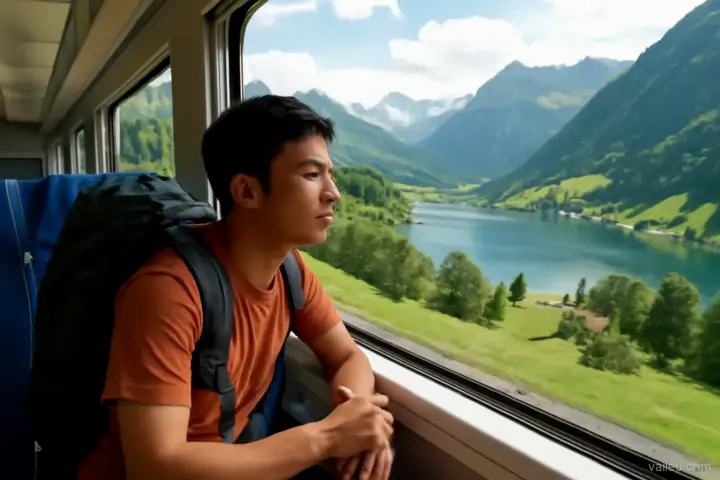
- Take the train instead of flying for short distances.
Behaving as a good guest
Most complaints from residents stem from small behaviours. A few simple principles make you a welcome visitor:
- Keep your voice down in residential streets, especially at night and early morning.
- Do not sit and eat on church or monument steps where it is forbidden.
- Do not block paths, small bridges or house entrances for photos.
- Do not photograph residents or children without permission.
- Take your rubbish with you and sort it properly.
- Dress appropriately when leaving the beach; some seaside towns fine people walking the streets in swimwear.
- Respect no-entry signs, private areas and quiet hours.
Swap a famous spot for a hidden one
Europe has countless places just as beautiful but far less visited. Instead of only the busiest spots, try university towns, riverside villages, wine regions and lesser-known islands. There you have more chances to talk with locals, receive a warmer welcome and often pay less. National and regional tourist offices regularly promote such destinations.
The problem with photo spots
Social media has created a new kind of pressure: dozens of people queuing on a residential street to recreate the same photo, sometimes standing on doorsteps or blocking traffic. Some neighbourhoods have put up signs asking visitors to move on, and a few places have even been fenced off. Take your photo quickly, never enter private property, and consider whether the shot is worth the disturbance. Often the most beautiful pictures come from wandering where no one else is standing.
Cruises: think carefully
Cruises are popular, but they also contribute to overcrowding in small port cities, as thousands of people go ashore at once for a few hours. If you cruise, choose itineraries with longer stops, sightsee at quieter times and spend at local businesses rather than only on ship excursions.
Where your money goes
The same trip can benefit a destination a great deal or very little, depending on where you spend. Package holidays and cruise excursions often send most of their revenue to companies based elsewhere. Booking a guesthouse run by a local family, eating at a neighbourhood trattoria, buying crafts directly from makers and hiring licensed local guides keep money circulating in the community that hosts you.
Travel and climate
Flying is the largest source of emissions on a European trip. For visitors from Vietnam the long-haul flight is hard to avoid, but you can reduce your impact during the trip: trains and buses between cities, longer stays instead of many short trips, walking and cycling in cities, and accommodation with energy-saving policies. Many European cities have convenient public bike schemes.
Vietnamese travellers and responsible tourism
Vietnam faces similar issues at home: Hội An, Sa Pa, Hạ Long and Đà Lạt have all felt visitor pressure. In Europe, respectful behaviour not only helps residents but also builds a good image for Vietnamese travellers. And the ways European cities manage tourism may offer ideas for protecting our own destinations.
Learning a few local words
Nothing changes how residents see you faster than a few words in their language. A greeting, please, thank you and excuse me in Italian, Spanish, Dutch or Croatian costs little effort and is almost always met with a smile. It signals that you see the place as someone’s home rather than a backdrop, which is the heart of responsible travel.
What to remember
Responsible travel does not mean less fun. On the contrary, travelling slowly, visiting quieter places, spending locally and behaving respectfully often bring more authentic experiences. A place loved the right way stays beautiful for those who come after — including ourselves when we return.
Frequently asked questions
What is overtourism?
It is when visitor numbers exceed what a place can handle, harming residents, the environment, heritage and even the visitor experience.
Does Venice charge an entry fee?
Venice has introduced a fee for day-trippers on certain peak days. Rules change, so check the city’s official website before you go.
What can travellers do to reduce overcrowding?
Travel off-season, stay longer, explore lesser-known places, choose legal accommodation, spend at local businesses and follow the rules.
Should I avoid famous cities altogether?
No need, but visit at quieter times, stay longer rather than a few hours, and behave as a respectful guest.
Why take the train instead of flying?
Trains emit far less than planes on short routes and show you countryside and towns that see fewer visitors.