There is no single best season for all of Europe, because the continent stretches from the Arctic to the Mediterranean. In general, late spring and early autumn are pleasant across most countries, with fewer crowds and more reasonable prices. Summer suits the north, the mountains and the coast, but the south can be very hot and crowded. Winter brings Christmas markets, snow and low prices in many cities, at the cost of short, cold days. Choose your season by region and by what you want to experience.
For Vietnamese travellers used to a tropical climate, understanding Europe’s four seasons helps with timing, packing and avoiding unwelcome surprises.
Spring: blossoms and lengthening days
Spring, roughly March to May, is when nature wakes up. Cherry and magnolia trees bloom in many cities, the Dutch tulip fields are world-famous and parks turn green again. Days lengthen, and people eagerly return to outdoor café terraces after the long winter.
Early spring can still be cold, wet and unpredictable, especially in western and northern Europe. Late spring is usually more pleasant. Easter and school spring holidays can make some places busy and pricier.
Summer: long, bright and busy
Summer, roughly June to August, is the main tourist season. Days are very long, and in the Nordic countries it stays almost light all night around midsummer. Music festivals, theatre and open-air concerts happen everywhere. The Mediterranean is warm, the mountains green and the lakes refreshing.
The downside is crowds and high prices, especially in July and August when many Europeans take holidays. Southern Europe — Spain, Italy, Greece — can be extremely hot, sometimes with severe heatwaves, and many old buildings lack air-conditioning. Some family-run shops and restaurants in France and Italy close for holidays in August.
Autumn: golden leaves and harvests
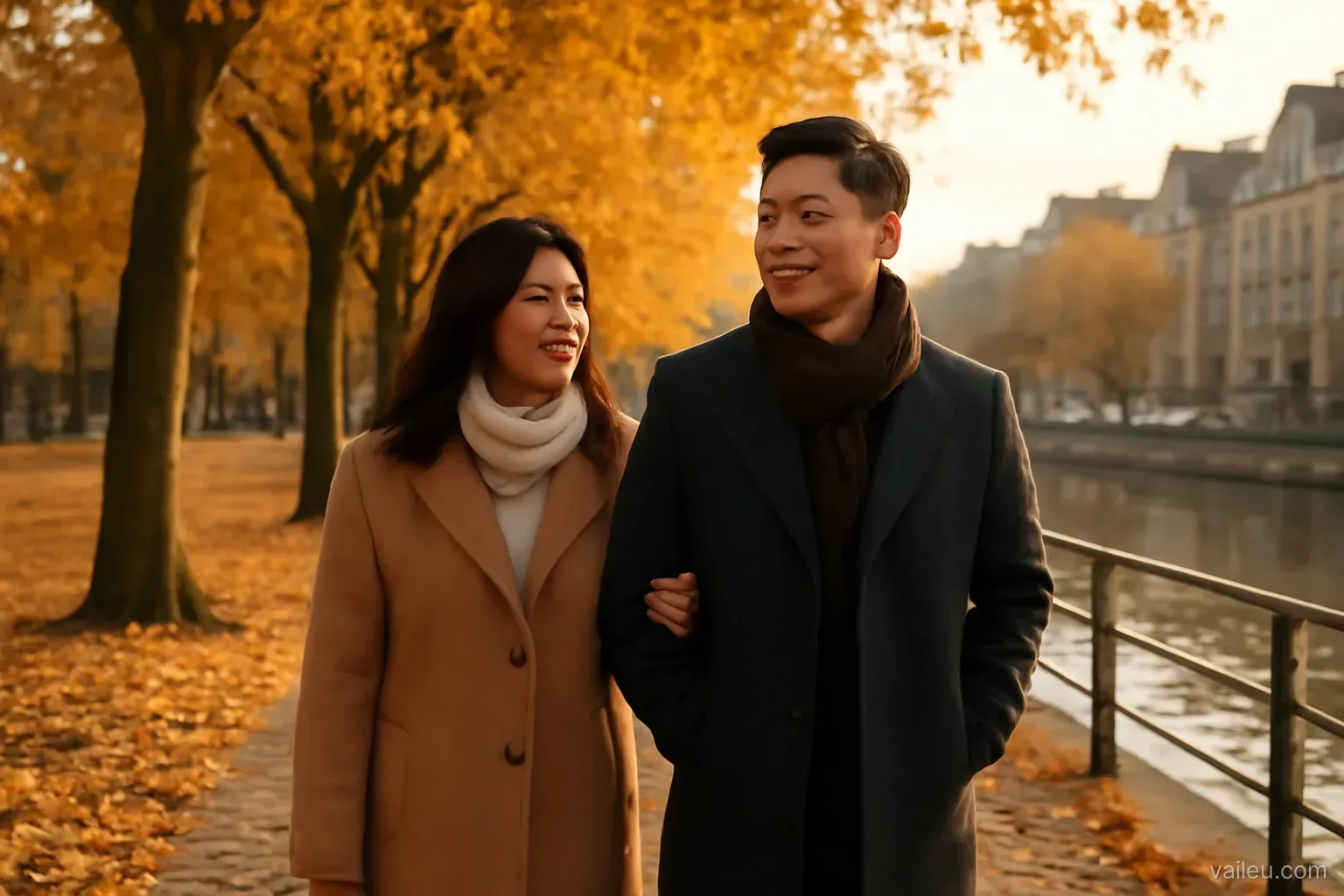
Autumn, roughly September to November, is considered by many the best season for travel. September is still warm, you can still swim in southern Europe and crowds thin out. In October, leaves turn gold and red in parks, forests and wine regions. It is harvest time for grapes, mushrooms and chestnuts, with many local food festivals.
Late autumn grows colder and wetter, and days shorten. November in much of western and northern Europe is often grey and damp, but museums are quiet and hotel prices low.
Winter: snow, lights and markets
Winter, roughly December to February, has its own beauty. Christmas markets in Germany, Austria, Czechia, Alsace and elsewhere fill squares with lights, wooden stalls, mulled wine and gingerbread. The Alps become a skiing paradise. The far north offers chances to see the northern lights.
Days are very short, especially in the north, where it can be dark by early afternoon. It is cold, sometimes snowy or icy. From after New Year until late February, outside ski resorts, many cities are quiet and at their cheapest.
Suggestions by region
- The Mediterranean (Spain, Portugal, Italy, Greece, Croatia): best in late spring and early autumn; midsummer is very hot and crowded.
- Western Europe (France, Belgium, the Netherlands, the UK, Ireland): late spring to early autumn; rain can come any time.
- Central Europe (Germany, Austria, Czechia, Poland, Hungary): pleasant in spring and autumn; Christmas markets in winter.
- The Nordic countries (Norway, Sweden, Finland, Denmark, Iceland): summer is the golden season; winter offers northern lights and snow.
- The Alps: summer for hiking, winter for skiing; some resorts close between seasons.
Daylight: the forgotten factor
Vietnamese travellers, used to roughly equal days and nights all year, are often surprised by European daylight. In northern summers the sun sets very late; in winter it can be dark by early afternoon. This greatly affects plans: in winter you have fewer daylight hours for sightseeing, in summer you can stroll late into the evening. Check sunrise and sunset times for your destination when planning.
Crowds and prices
Peak times are usually summer, Easter, Christmas, New Year and European school holidays, when flights and rooms are expensive and famous sights packed. Low season, outside holidays, typically runs from November to March, with lower prices and far fewer visitors. Shoulder seasons offer a good balance for first-timers.
If summer is your only option, book early, choose less famous regions and visit major sights early in the morning or late in the afternoon.
What to pack
- Layers: T-shirts, a light sweater and a jacket, easy to add or remove as the weather changes.
- A wind- and waterproof jacket: needed almost all year in western and northern Europe.
- Non-slip walking shoes: for cobblestones, rain and ice.
- Winter: a thick coat, woollen hat, gloves, scarf and warm socks; tropical visitors usually feel the cold more than locals.
- Summer: hat, sunscreen, sunglasses and a water bottle, but still a light jacket for evenings or mountains.
- Modest clothing for visiting churches, even in summer.
Changeable weather and climate change
European weather can change quickly within a day: sun in the morning, rain at noon, cold wind in the afternoon. In recent years there have also been more heatwaves, droughts and unusual heavy rain. Follow forecasts and warnings from local weather services, especially in the mountains or during hot summers.
Seasonal festivals to look out for
- Spring: Easter, flower seasons and pre-Lent carnivals in some places.
- Summer: music and theatre festivals, midsummer celebrations in the Nordic countries.
- Autumn: wine, beer and local food festivals.
- Winter: Christmas markets, festivals of light and New Year.
Matching seasons to travellers
Families with school-age children often have no choice but summer, so for them the key is choosing cooler regions and early starts. Retired parents may prefer the gentle temperatures of spring or autumn. Students on a budget can make the most of winter’s low prices, and photographers often love the soft light of the shoulder seasons. There is a right season for every traveller.
What to remember
Each season in Europe has its own beauty and its own price. Do not ask which season is best; ask what you want to see: spring blossoms, summer seas, autumn leaves or winter lights. Match the region to the season, pack in layers, and Europe will show you the face that suits you best.
Frequently asked questions
When is Europe less crowded and more affordable?
Shoulder months such as late spring and early autumn balance weather, crowds and prices well. Winter outside the holidays is often the cheapest in many cities.
Is summer in Europe hot?
Southern Europe can be very hot in midsummer, sometimes with severe heatwaves. Northern Europe and the mountains are usually cooler.
Is winter worth it?
Yes, if you enjoy Christmas markets, snow, quiet museums and low prices. Days are short and cold, so pack warm layers.
Where and when can I see the northern lights?
Usually in the far north of Norway, Sweden, Finland and Iceland during the months of long nights, when skies are clear. Sightings are never guaranteed.
How should tropical travellers pack?
Dress in layers, bring a wind- and rain-proof jacket and non-slip walking shoes; in winter add a hat, gloves and scarf. Weather can change quickly within a day.