Europe is generally a safe destination, and violent crime targeting tourists is rare. The most common risks are pickpocketing and petty scams in crowded places: stations, metros, famous squares and markets. Keep your belongings close, recognise a few classic tricks, buy travel insurance and remember the common emergency number 112, and you can travel with peace of mind. This article is not meant to frighten you but to make you more confident.
Pickpocketing: risk number one
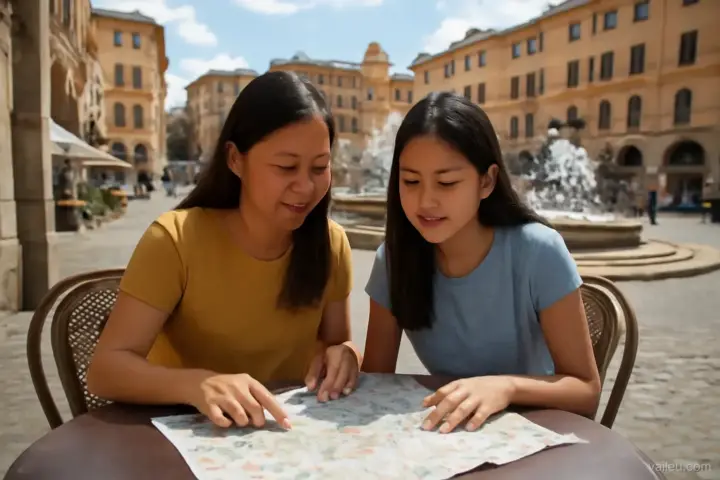
Pickpockets in big tourist cities often work in teams and are very skilled. They target moments when you are distracted: boarding or leaving a train, queuing for tickets, admiring a monument, taking photos or reading a map. One person distracts you, another takes your wallet and a third walks away with it.
Hotspots include crowded metros, tourist bus routes, escalators, major stations, areas in front of famous landmarks, busy markets and outdoor cafés where phones are left on tables.
Protecting your belongings
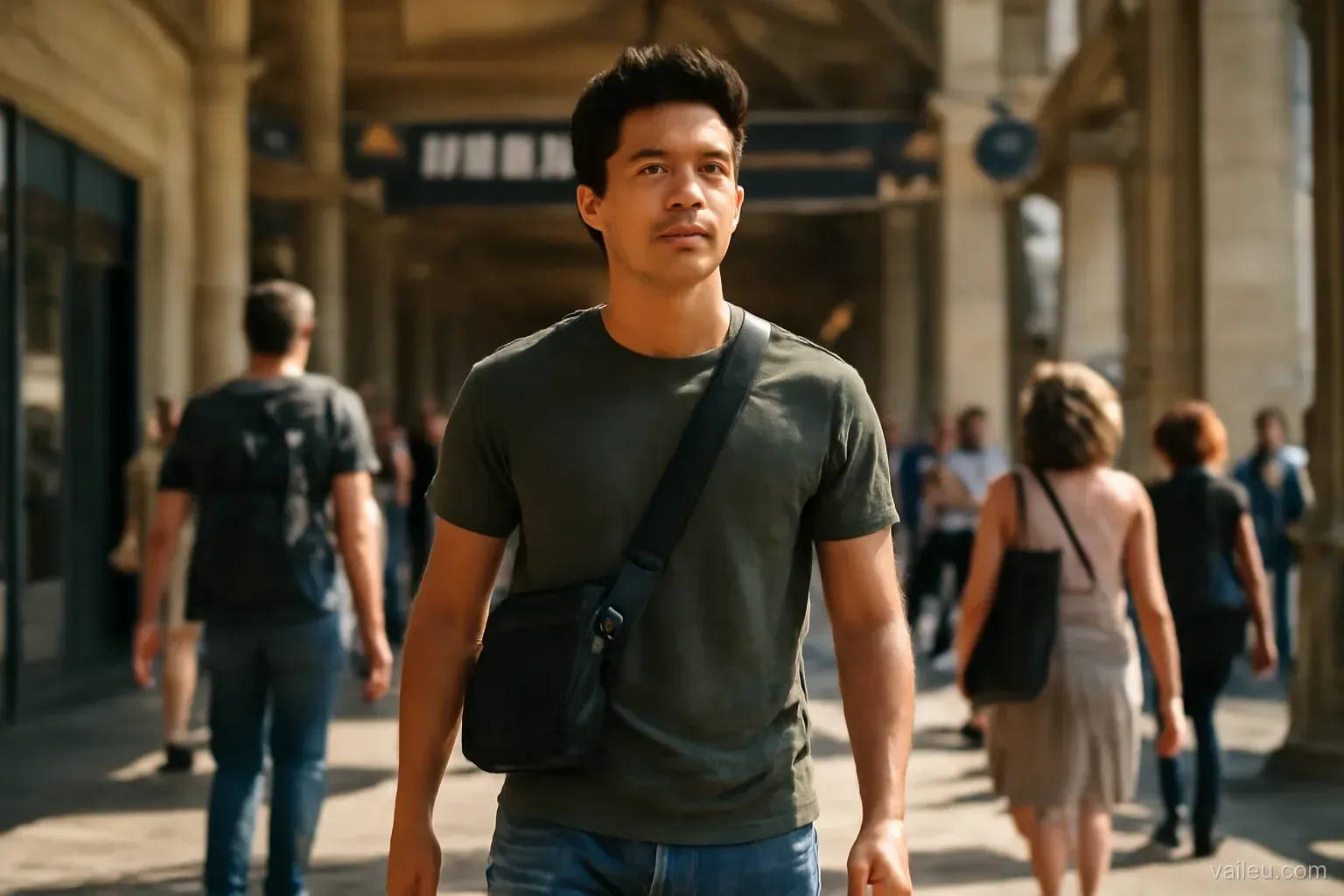
- A zipped cross-body bag, worn in front in crowds.
- Never keep your wallet in a back pocket or an outer backpack pocket.
- Do not leave your phone on café tables outdoors.
- Split cash and cards, keeping a spare card separately.
- Passport: carry a copy or photo when sightseeing if local law allows, leaving the original in your accommodation safe; when you must carry it, use an inside pocket.
- Backpacks: wear them in front on crowded trains, zips facing you.
- Suitcases: keep them in sight at stations and on trains.
Classic scams
Tricks vary by place and over time, but they usually follow a few scripts:
- The petition: a group with clipboards asks you to sign for a charity, then demands money, or picks your pocket while you sign.
- The friendship bracelet: a stranger ties a bracelet on your wrist and demands payment.
- The found gold ring: someone pretends to find a ring and offers it to you cheaply; it is fake.
- The shell game on the street: the crowd around it is usually in on it; you will never win.
- Help at the ticket machine: an overly helpful stranger keeps your change or watches your PIN.
- The spill: someone stains your clothes, then helps clean you up while lifting your wallet.
- Unmetered taxis: outrageous fares; use official taxis or ride-hailing apps.
- Fake police: asking to check your wallet or cash; real police rarely do this to tourists on the street. If in doubt, ask to go to the station.
General rule: decline politely, do not stop to argue and walk towards busier areas.
Online booking scams
Scams are not only on the street. Be wary of apartments that are too cheap and ask for direct bank transfers outside the platform, fake attraction ticket websites and messages impersonating banks or airlines. Book only through reputable platforms, pay within their systems and buy attraction tickets on official websites.
Money and cards
Cards are accepted almost everywhere in Europe, and contactless payment is common. Carry a little cash for small purchases. Use bank ATMs, ideally inside branches or in bright, busy places, and shield your PIN. When a machine asks whether to charge in your home currency or the local currency, choosing the local currency is usually better value. Tell your bank before you travel and save its emergency card-blocking number.
Emergency numbers and response
112 is the common emergency number across EU countries, free from mobile phones, connecting to police, ambulance and fire services, often with English-speaking operators. Some countries also have their own numbers. Save it in your phone along with the address and phone number of the Vietnamese embassy or consulate in the country you are visiting.
If your passport is lost or stolen
- Report it immediately to local police and get a written report, needed for insurance and new documents.
- Block your bank cards through the app or the bank’s emergency number.
- Contact the nearest Vietnamese embassy or consulate for guidance on replacement travel documents.
- Inform your travel insurer and keep all documents and receipts.
- Change passwords for important accounts if your phone is lost.
Prepare beforehand: photograph your passport, visa, tickets and insurance, store them in the cloud and send copies to a relative.
Health and safety
Travel medical insurance is not only required for the visa; it protects you from very high medical costs. Carry personal medicines in original packaging with a prescription. For minor ailments, pharmacists give good advice. In summer, watch out for heat: drink plenty of water and rest in the shade at midday. In winter, take care on icy pavements.
Night-time and solo travel
Most European city centres are fairly safe in the evening, full of people strolling and dining. As anywhere, avoid deserted, poorly lit areas late at night, use official taxis or ride-hailing apps when returning late, watch your drink in bars and share your plans with family. Women travelling alone usually feel safe in Europe but should still trust their instincts.
Asking for help
If something goes wrong, do not hesitate to ask. Station staff, hotel receptionists, pharmacists and police officers in tourist areas are used to helping visitors and often speak English. Shops and cafés will usually let you call for help or charge your phone in an emergency.
Protests, strikes and big events
Peaceful demonstrations and strikes are common in Europe, especially in some countries. Transport strikes can cancel trains and flights. Follow local news, stay away from large gatherings if tensions rise and keep a backup plan for getting around.
Digital safety on the road
Public Wi-Fi in cafés, stations and hotels is convenient but not always secure. Avoid logging into banking apps on open networks, keep your phone’s software updated and use a screen lock. Turn on device-finding features before you leave home, so that a lost phone can be located or wiped remotely. A local or regional data SIM often costs little and makes you less dependent on public networks.
What to remember
Staying safe in Europe does not require suspicion of everyone, only alertness in the right places: crowds, overly friendly strangers and online bookings. Prepare insurance, document copies, the 112 number and your embassy’s contacts, then relax and enjoy. Most people you meet will be friendly and willing to help.
Frequently asked questions
Is Europe safe for tourists?
Generally yes. Violent crime against visitors is rare; the most common risks are pickpocketing and petty scams in crowded places.
What is the emergency number in Europe?
112 is the common emergency number across EU countries, free to call, connecting to police, ambulance and fire services. Many countries also have their own numbers.
What should I do if I lose my passport?
Report it to the police for a written report, contact the nearest Vietnamese embassy or consulate for replacement documents and inform your insurer.
Should I carry a lot of cash?
No. Cards are widely accepted; carry a little cash for small purchases and split it between places.
What if a stranger asks me to sign a petition or gives me a bracelet?
Politely decline and keep walking. These are classic tricks to demand money or distract you while someone picks your pocket.