Europe strongly encourages organic and sustainable farming, aiming to reduce agriculture’s impact on soil, water, climate and biodiversity. In supermarkets you will see the EU organic label, a green leaf made of stars. On city outskirts there are small community-supported farms where residents pay in advance for seasonal vegetables. Along field edges, strips of wildflowers are planted to feed bees and other pollinators. For agricultural countries aiming for safer, higher-value produce, there is much worth learning here.
Why Europe chose this path
Intensive agriculture helped Europe produce large amounts of food after the war, but it also left consequences such as soil degradation, water pollution from fertilisers and pesticides and declining rural biodiversity. Growing awareness of these problems led Europe to seek a new balance.
The EU has set goals to expand organic farmland and reduce the use of certain chemicals. The Common Agricultural Policy also supports farmers who adopt environmentally friendly practices. It is a complex process with much debate about costs, yields and farmers’ incomes.
The EU organic label: a leaf of stars
The EU organic label is a leaf formed from white stars on a green background. Products bearing it must meet EU organic rules and be checked by a control body. The label usually comes with the control body’s code and information on where the agricultural ingredients were farmed.
Organic rules include strict limits on synthetic fertilisers and pesticides, no genetically modified organisms, crop rotation to maintain soil fertility and animal welfare standards such as outdoor access. Processed products also have rules on ingredients.
- Strict limits on synthetic chemicals.
- No genetically modified organisms.
- Crop rotation and soil fertility protection.
- Animal welfare standards.
- Regular inspection by control bodies.
- Labels showing the control body code and origin of ingredients.
Keeping organic in perspective
Organic is not a magic solution. Whether organic food is more nutritious is still researched and debated. Organic yields are often lower, prices higher and not everyone can afford organic products regularly.
What is clearer is that organic methods aim to reduce impacts on soil, water and biodiversity. For students on a budget, eating plenty of seasonal fruit and vegetables, organic or not, is a good choice. You can prioritise organic for the items you care about most.
Community-supported agriculture
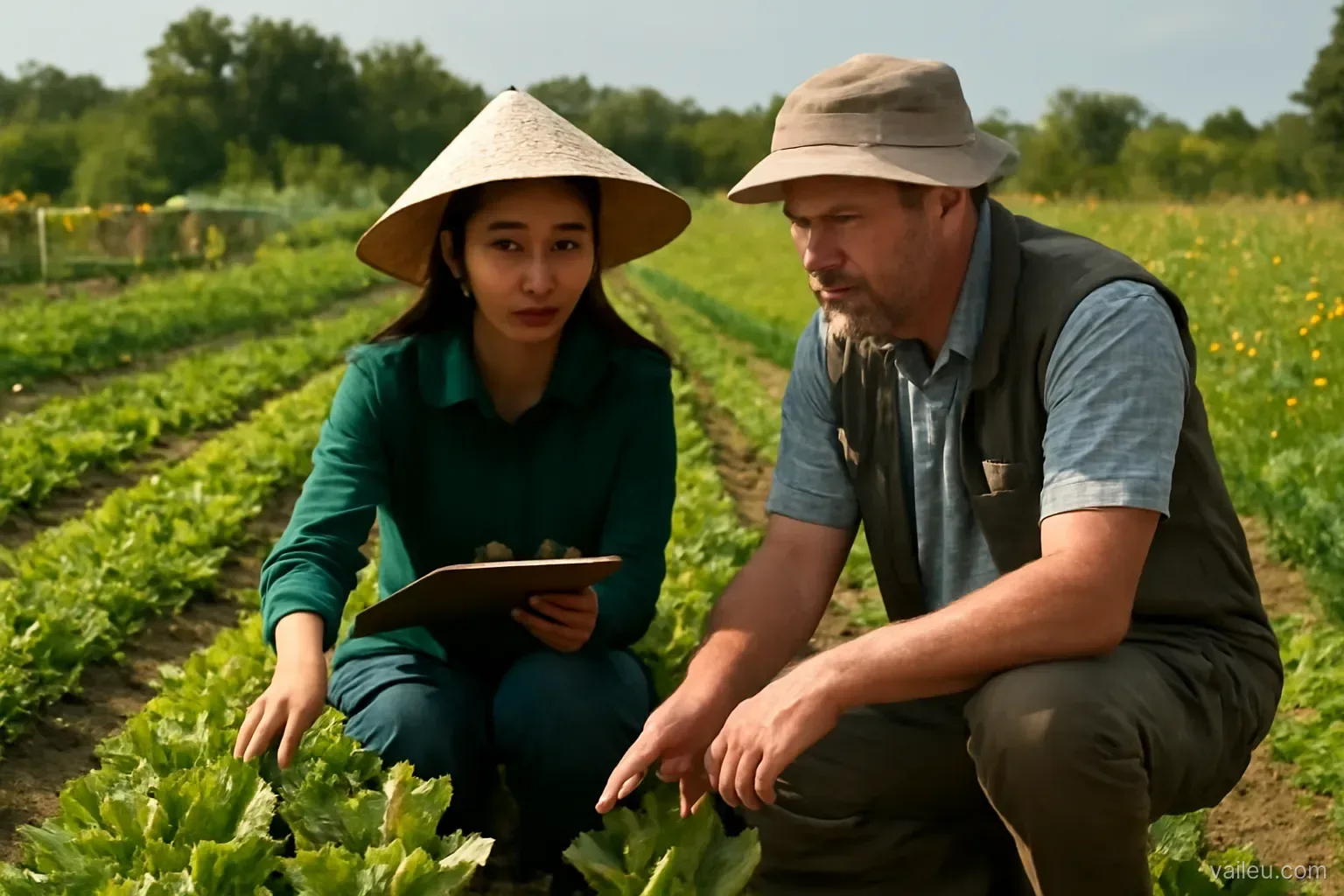
An interesting model in many European countries is community-supported agriculture. Consumers become members and pay a farm in advance for part of the season’s costs, then receive produce regularly, often weekly. Some farms invite members to help in the fields.
Farmers gain stable income before planting and lower market risk, while consumers receive fresh seasonal produce and know exactly where it comes from. Both share the risks: in a good season baskets overflow; in a poor one everyone bears the shortfall. It builds trust between growers and eaters.
Short supply chains
Alongside organic farming, Europe promotes short supply chains, where produce travels from farm to consumer through as few intermediaries as possible. Farmers’ markets, farm shops, vegetable box deliveries and restaurants buying directly from local farmers are examples.
Short chains give farmers a larger share of the value, cut transport distances and help consumers understand how food is produced. Students can join in by shopping at farmers’ markets or sharing a vegetable box subscription with flatmates.
The story of bees
Many crops and wild plants depend on insect pollinators such as honeybees, wild bees, butterflies and hoverflies. In Europe, some pollinator species have declined because of habitat loss, pesticides and climate change. The EU has launched initiatives to protect pollinators and has restricted certain pesticides assessed as harmful to bees.
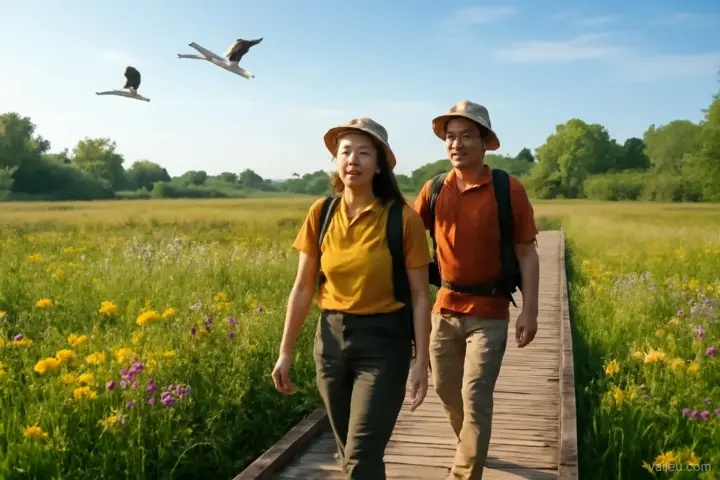
In the countryside, farmers are encouraged to plant wildflower strips along fields and keep hedgerows. In cities, residents put up insect hotels, grow flowers on balconies and some councils mow verges less often so wildflowers can bloom. These small actions give bees food and shelter.
- Grow nectar-rich flowers on balconies and windowsills.
- Leave a corner of the garden to grow wild.
- Avoid pesticides in home gardens.
- Buy honey from local beekeepers.
- Join insect counts organised by conservation groups.
Soil: the hidden foundation
Healthy soil is the foundation of all farming, and European policy increasingly recognises it. Practices such as cover crops, reduced tillage, compost and diverse rotations help soils hold water, store carbon and support countless organisms. Many farmers combine these methods with precision tools that apply water and nutrients only where needed. Even farms that are not certified organic are adopting such practices, showing that sustainability is a spectrum rather than a single label.
Visiting farms
Many organic and family farms in Europe welcome visitors through open days, farm shops, pick-your-own fields and educational tours. Some offer short volunteering stays where guests help with harvests in exchange for food and lodging; check residence rules if you are an international student. A day on a farm is a memorable way to see crop rotation, composting and pollinator strips in practice, and to talk with farmers about the real trade-offs they face.
Ideas for farmers and exporters
Agricultural exporters such as Vietnam ship coffee, cashews, pepper, fruit, vegetables and seafood to Europe. European markets have strict requirements on chemical residues and traceability and are increasingly interested in sustainability. Products sold under the EU organic label must meet EU organic rules and be certified accordingly.
Beyond exports, models such as community-supported farms, short supply chains and pollinator protection may also inspire domestic markets where consumers increasingly seek clean vegetables. Businesses and cooperatives should study official sources carefully, as rules are updated regularly.
Studying agriculture in Europe
Many European universities are strong in agriculture, food science and rural development, offering internships at farms and research institutes. Some master’s programmes are taught in English, with EU and national scholarships available. Check official university and scholarship websites for current conditions.
From field to table
The story of organic farming in Europe reminds us that every meal is tied to a field, a farmer and an ecosystem. When you buy seasonal produce at the market, support a local farm or plant a pot of flowers for bees, you contribute a little to a more sustainable food system, in Europe and back home.
Frequently asked questions
What does the EU organic label look like and mean?
It is a leaf made of stars on a green background. It shows the product meets EU organic rules and has been checked by a control body, with requirements on limiting synthetic chemicals, animal welfare and production methods.
Is organic food definitely healthier?
This is still researched and debated. What is clearer is that organic farming aims to reduce impacts on soil, water and biodiversity. Eating plenty of fruit and vegetables, organic or not, remains important.
What is community-supported agriculture?
A model in which consumers sign up and pay a farm in advance for a share of the season’s harvest, then receive produce regularly. Both sides share risks and rewards.
Why does Europe care about bees and pollinators?
Many crops and wild plants need insect pollinators, and some species have declined. The EU has initiatives to protect pollinators, encourage wildflower strips and restrict certain pesticides.
What do exporters need to sell organic products in the EU?
Products must meet EU organic rules and be certified by bodies recognised under those rules. Exporters should study official sources carefully and work with experienced certifiers and importers.