Europe is in the middle of an energy transition, gradually reducing reliance on coal, oil and gas and increasing the share of renewable energy. Interestingly, each region chooses a path suited to its natural conditions: North Sea countries develop offshore wind, the sunny south expands solar power, Norway relies on hydropower and Iceland taps geothermal heat. Alongside these come grids connecting countries and a movement of energy cooperatives owned by citizens themselves. For countries with long coastlines and abundant sunshine, Europe’s experience holds many lessons.
Why Europe is changing its energy system
Several reasons intertwine. First is the commitment to cut greenhouse gas emissions to tackle climate change. Second is energy security: reducing dependence on imported fuels. Third is economic opportunity: building new industries, creating jobs and driving technological innovation.
The process is not easy. Countries start from different points; some still rely heavily on coal, others already have high renewable shares. Investment costs, storage, grid upgrades and public acceptance are all challenges. Yet the overall direction is clearly set in EU policy.
North Sea wind
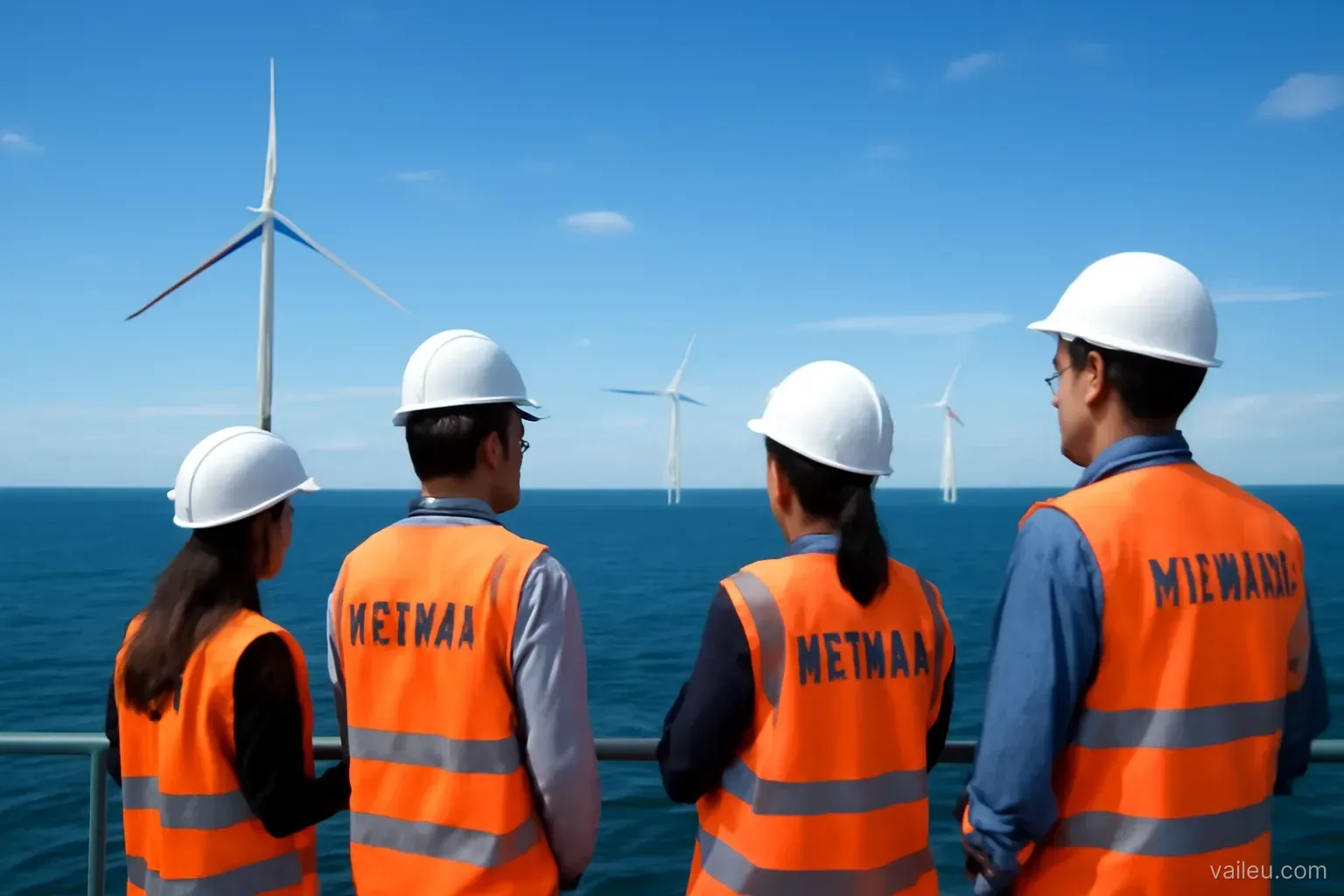
The North Sea offers strong, steady winds, large shallow areas and coastal nations with long marine engineering experience, including the United Kingdom, Denmark, Germany, the Netherlands and Belgium. These are ideal conditions for offshore wind. Vast arrays of turbines rise from the sea, sending power ashore through subsea cables.
Denmark was a pioneer of wind power, building a turbine industry decades ago. North Sea countries also cooperate on joint planning and shared transmission infrastructure. For engineering students, ports serving offshore wind are fascinating places to learn about supply chains and operations.
Southern sun and rooftop solar
Southern European countries such as Spain, Portugal, Italy and Greece enjoy abundant sunshine, suitable for large-scale solar farms. Yet solar is not limited to the south: even in Germany, which is not especially sunny, rooftop solar grew strongly thanks to early support policies.
In many countries, households install panels on roofs and balconies, use the electricity they generate and sell surplus to the grid. Some places allow small plug-in balcony panels, opening opportunities for tenants too. Rules differ between countries.
Norwegian hydropower and Icelandic geothermal
Norway’s mountainous terrain and many rivers and lakes have long allowed it to meet most domestic electricity demand with hydropower. Its reservoirs can also act as giant batteries, helping balance the regional grid when wind and sunshine fluctuate.
Iceland sits on an active volcanic zone and uses geothermal energy for electricity and home heating. Many Icelandic towns use geothermal hot water in district heating systems. These two examples show how natural conditions shape each country’s energy choices.
- North Sea: offshore wind.
- Southern Europe: large-scale solar.
- Germany and many others: rooftop solar.
- Norway: hydropower with reservoirs acting as batteries.
- Iceland: geothermal for electricity and heating.
Interconnected grids: sharing across borders
The wind does not always blow and the sun does not always shine. To keep the system stable, Europe is building grids that connect countries. When Denmark has surplus wind power it can sell to neighbours; when it is short, it can import Norwegian hydropower. Subsea cables link many nations.
A common electricity market and interconnected grids are an example of regional cooperation making renewable energy more effective. Storage solutions such as large batteries, pumped hydro and hydrogen produced from renewable electricity are also being researched and deployed.
Energy cooperatives: citizens in charge
A distinctive feature of Europe’s energy transition is the role of communities. In Denmark, Germany, the Netherlands, Belgium and elsewhere, residents pool money to form cooperatives that own wind turbines, solar installations and district heating networks. Profits go to members, and the community has a say in projects.
This model helps people understand and support renewables because they benefit directly. It also shows that the energy transition is not only for governments and large corporations; there is room for local initiative.
Challenges ahead
- Storing electricity for windless, sunless periods.
- Upgrading transmission from production sites to consumers.
- Balancing energy development with protecting landscapes and biodiversity.
- Keeping energy prices affordable for households.
- Training skilled workers for new industries.
Europe has not solved all these challenges, and Europeans themselves debate the pace, cost and methods of change. But their experience, including both successes and difficulties, is a valuable reference for countries developing renewable energy.
Energy efficiency: the quiet partner
Alongside new power sources, Europe puts great emphasis on using less energy in the first place. Building standards require better insulation and efficient heating, appliances carry energy labels that help consumers compare, and many cities run district heating networks that use waste heat or renewable sources. Renovating older buildings to cut heat loss is a major priority, since buildings account for a large share of energy use. Efficiency rarely makes headlines, but it reduces bills and emissions at the same time.
Heat as well as electricity
Electricity gets most attention, but heating homes is a huge part of Europe’s energy use, especially in cold northern winters. Heat pumps, which move heat from air, ground or water into buildings using electricity, are spreading quickly in many countries. District heating networks increasingly draw on biomass, waste heat from industry and data centres, large heat pumps and geothermal sources. For international students living in older flats, these changes are visible in new radiators, smart thermostats and building renovation projects.
Lessons for other countries and students
Countries with long coastlines and strong sunshine, such as Vietnam, have significant potential for offshore wind and solar, and have seen rapid growth in recent years. European experience in marine spatial planning, grids, storage and community participation can offer useful ideas.
For students interested in energy engineering, environmental science or energy economics, many European universities offer specialised programmes, many master’s courses are taught in English and EU and national scholarships exist. Check official university and scholarship websites, as conditions change each year.
Watching turbines, thinking about the future
Standing on a Danish beach watching turbines turn slowly offshore, or passing through a German village with solar panels on its roofs, you see that the energy transition is no longer just a concept on paper. It is a set of concrete choices by communities and nations, aiming for a cleaner future.
Frequently asked questions
Why is the North Sea suited to offshore wind?
It has strong, steady winds, large shallow areas near the coast and coastal nations with long experience in marine engineering.
What is an energy cooperative?
An organisation in which residents, small businesses or local authorities jointly invest in and run energy projects such as wind turbines or solar systems, sharing the benefits among members.
Why do interconnected grids matter?
Wind and sunshine vary over time and place. Interconnected grids let countries trade electricity, balancing surpluses and shortages and making the system more stable.
Does Europe still use fossil fuels?
Yes. The energy transition is a long process and countries are at different stages. Renewables are growing, but challenges remain around storage, grids and cost.
Where can students study renewable energy in Europe?
Many European technical universities offer energy programmes, and many master’s courses are taught in English. Check official university websites and scholarship programmes.